Moving is stressful for anyone; however, it can feel overwhelming when you’re dealing with a chronic illness. From finding new healthcare providers to handling the physical demands of packing and relocating, moving to a new city requires extra planning for someone managing a medical condition.
But if you take the right steps, the transition can be smoother and less stressful. In this guide, we’ll walk through everything you need to know if you're moving with a chronic illness—from organizing your healthcare before the move to practical tips for managing the physical demands of packing. Let’s dive in!
1. Find a New Doctor Before Moving
Once you’ve pinpointed your move date, research doctors in your new town. Your medical treatment is too important to leave to chance, and you don’t want any gaps in care. Here are some steps to help you find a healthcare provider in your new location:
-
Ask your current doctor for a referral: Your current specialist may have connections or know of good doctors in your new area.
-
Check with your insurance: Find doctors who are in-network for your insurance plan in your new location.
-
Use online resources: Websites like Healthgrades or ZocDoc can help you read reviews and find specialists near your new home.
Once you've found potential providers, schedule an initial appointment before you move. This ensures you’ll have a doctor ready to see you and avoids any delays in treatment. Be sure to bring a copy of your medical records to the first visit or have your current doctor's office forward them to your new provider.
2. Transfer Your Prescriptions to a Local Pharmacy
If you take prescription medication regularly, make sure to transfer your prescriptions to a pharmacy in your new city well ahead of the move. This way, you can avoid any last-minute scrambling to fill your medications.
-
Call your current pharmacy: Ask them to transfer your prescription to a pharmacy in your new town.
-
Use online services: Many pharmacy chains offer online tools to easily transfer your prescriptions with just a few clicks.
-
Backup supply: Make sure you have enough medication to last you during the move, just in case there are delays.
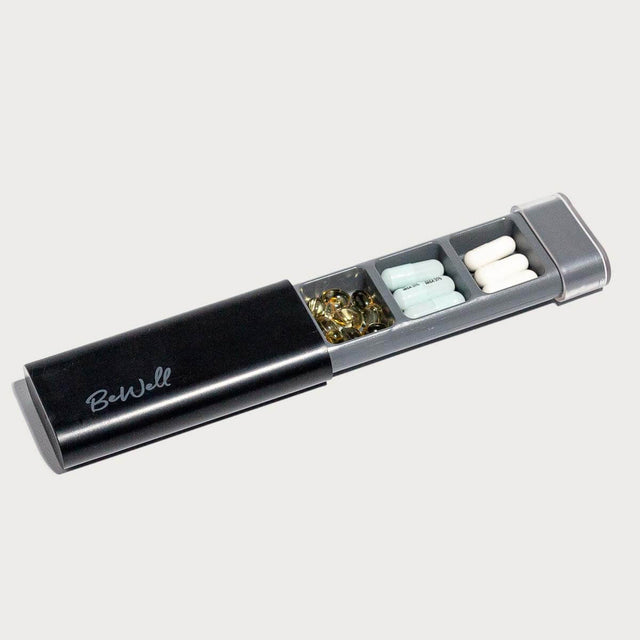
Consider keeping your medications in something portable, like Mini Pill Pouches, so your medications stay organized and accessible during the transition.
3. Keep an Accessible Medical Record
Have a medical file ready with key information about your condition, medications, and healthcare team. Keep this file with you on moving day rather than packing it away in a box.
Include the following in your medical file:
- A written list of current medications and dosages.
- Contact information for your healthcare provider.
- Medical records, including recent test results, imaging, and diagnoses.
- Emergency contact numbers, including family members and your new local doctor.
4. Prepare for Emergencies
Before moving, take time to research the nearest hospital or urgent care center in your new area. You’ll want to be prepared in case anything happens during or right after the move that requires immediate medical attention.
It’s also a good idea to inform a close friend or family member of your condition and your move plans. This way, someone can check in on you and offer help if needed.
5. Make the Physical Move Easier
Packing, lifting, and moving can be exhausting, especially if you have a chronic illness. Here are some tips to make the physical move easier:
-
Hire movers: If possible, hire professionals to handle the heavy lifting.
-
Pace yourself: Pack over several days rather than doing it all at once to conserve your energy.
-
Label Boxes: Clearly label what room the box is for so that you are efficient with unpacking
-
Important Boxes: If you need easy access to medical supplies, keep that box in your car, not a moving truck.
-
Pack Light: Pack in smaller boxes so it is easier for you to lift.
-
Delegate: Ask friends and family to help with tasks like packing or unpacking.
By planning ahead, getting the right help, and making your health a priority, you can make moving with a chronic illness less stressful and more manageable.
Conclusion
Moving with a chronic illness requires extra planning, but it doesn’t have to be overwhelming. By finding a new doctor in advance, transferring your prescriptions, keeping your medical records handy, and preparing for emergencies, you can ensure a smoother transition. Remember to take it easy during the physical aspects of moving, and don’t hesitate to ask for help. With the right preparation, you’ll be settled into your new home and ready to manage your health with confidence.