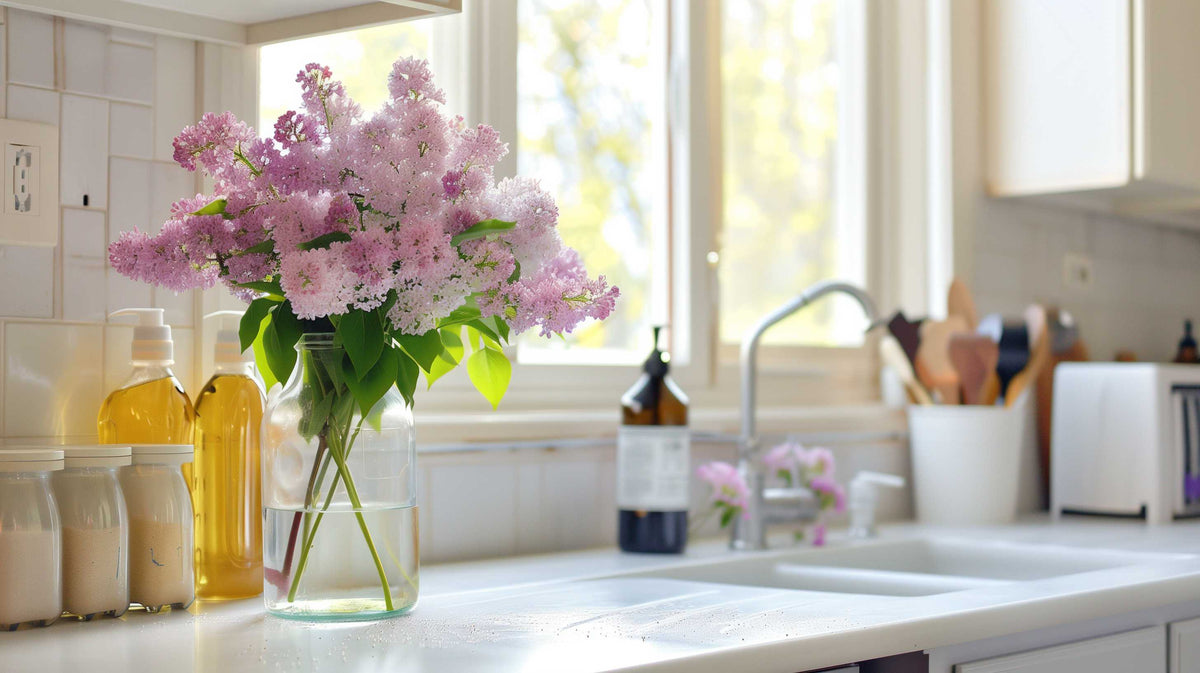
The birds are chirping, flowers are starting to bloom, and everyone's talking about spring cleaning. My social media news feed is flooded with before-and-after photos of tidy closets and sparkling kitchens. Meanwhile, I'm looking at my cluttered bedroom, calculating math to determine how much it would cost to heat to get in the way of even a small section, and contemplating just closing the blinds and pretending winter is still ongoing.
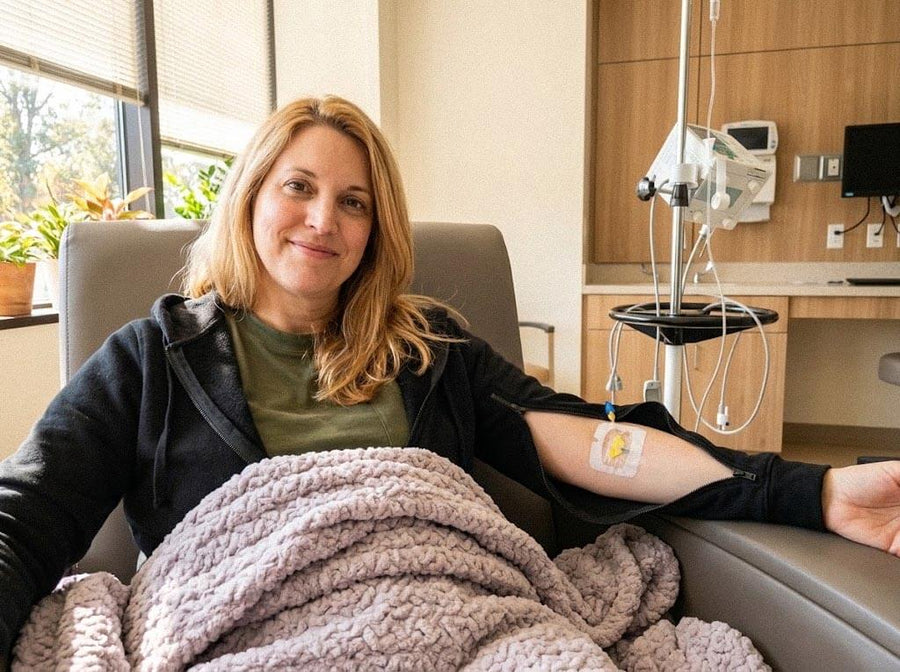
If you're a chronic illness patient, the concept of spring cleaning can be more daunting than revitalizing. That burst of industrious energy that most folks receive when spring arrives? For us, it's complicated by the reality of not having many spoons and the knowledge that going too hard equals days of payoff.
But here's the thing – we also require clean, organized environments. The tranquility that results from fewer visual distractions really can go a long way in quelling stress and symptoms. So how do we get it without causing a flare? Years of trying (and yes, a few cleaning binges), I've figured out some methods that really help.
1. Pace Yourself: Tiny Steps Still Move You Forward
My perfectionist self requires everything done within a mad weekend. My body just laughs at that.
As an alternative to the all-or-nothing approach, I've discovered that micro-tasks really do accumulate:
- Begin a timer for only 10 minutes. You'll be surprised at what you can accomplish, and it's short enough so you won't burn out afterwards. Sometimes I get just 5 minutes, and that's fine too.
- Choose one tiny area each day. Not a room – smaller than that. One nightstand drawer. The medicine cabinet. Half a closet shelf.
- Move quickly. When I grab something, I decide immediately: keep, give away, throw away. No "maybe" pile – that's just putting off the mental work of deciding.
Remember, spring goes on for months. Your cleaning can too.
2. Sit Down, For Goodness' Sake
Staying upright for hours is one of the quickest means of sapping my energy. I've discovered most cleaning tasks can be modified:
- Sort through a closet while seated instead of standing
- Sort through lower cabinets by sitting on the floor (if you can find a comfortable spot)
- Sort mail or fold laundry sitting up in bed
- Roll in a rolling office chair rather than walking back and forth
No one's giving out medals for cleaning on your feet. Sitting doesn't lessen the value of your work.
3. The Right Tools Make All the Difference
Cleaning devices designed for ease can be real lifesavers for those with chronic illness:
- A long duster permits me to retrieve cobwebs without raising my arms above my head (which induces nausea)
- Robot vacuum cleaners are expensive until you calculate the cost of using electricity to suck yourself clean
- Grabbers eliminate me bending repeatedly
- Spray mops with throw-away heads aren't super eco-conscious, but at times we sacrifice that
These are not chronic illness amenities – they're concessions that allow vital tasks to be completed.
4. Simplify the Decluttering Process
Decision fatigue exists, and brain fog makes it worse. I've found the following workarounds useful:
- If I haven't moved something since last spring and it doesn't have sentimental value, it probably needs to be released
- With each new item that comes into my home, I try to get rid of something (although I'm not perfect at it)
- Three boxes system: keep, donate, trash – nothing too fancy
Every now and then I add a "decide later" box in case my brain gets jumbled, but I put a certain date to return and sort out so things don't just stay in limbo forever.
5. Ask for Help (Even Though It's Hard)
This is likely the most difficult to accomplish for most of us. Asking for help with cleaning feels embarrassing, humiliating, or like we're inconveniencing others. I get it.
But I've discovered some tips that make it easier:
- Ask for something specific. "Would you mind helping me load these donation bags into the car?" is less likely to be denied than a general ask.
- Frame it in terms of providing skills rather than directly asking for assistance. Maybe you're good at online research, budgeting, or proofreading and can trade that instead.
- If you can, splurge on professional help with the bulk items. Even one session of a cleaning service can be a restart point.
- A "body double" – someone who just sits with you while you sort things out – can provide support without having to give physical aid.
6. Rest Isn't Optional – It's Part of the Process
Rest time needs to be factored into the cleaning routine:
- Plan rest BEFORE you're drained – preventative rest is better than recovery
- Plan cleaning sessions with buffer days in between
- Keep pain management materials (heating pads, ice packs, meds) on hand during cleaning sessions
- Celebrate any progress whatsoever, however small it may seem
Sometimes my "spring cleaning" overflows into summer. That's not failure – that's tweaking my body's reality.
A Fresh Space at Your Own Pace
Spring cleaning is not a competition. Those Instagram-perfect reorganized pantries? They don't show the energy levels, pain, or help that went into creating them.
What it's about is building a space that nourishes your health, in a manner that honors your body's boundaries. Drawer by drawer, shelf by shelf, with lots of rest periods between – that's still moving forward.
I'd love to learn your strategy for cleaning with chronic illness. What are your top energy-saving strategies? The essentials you can't live without? Share below – our collective community wisdom keeps the entire community moving.
Be gentle with yourself. Your worth isn't measured by your productivity, and neither is your spring cleaning.
```