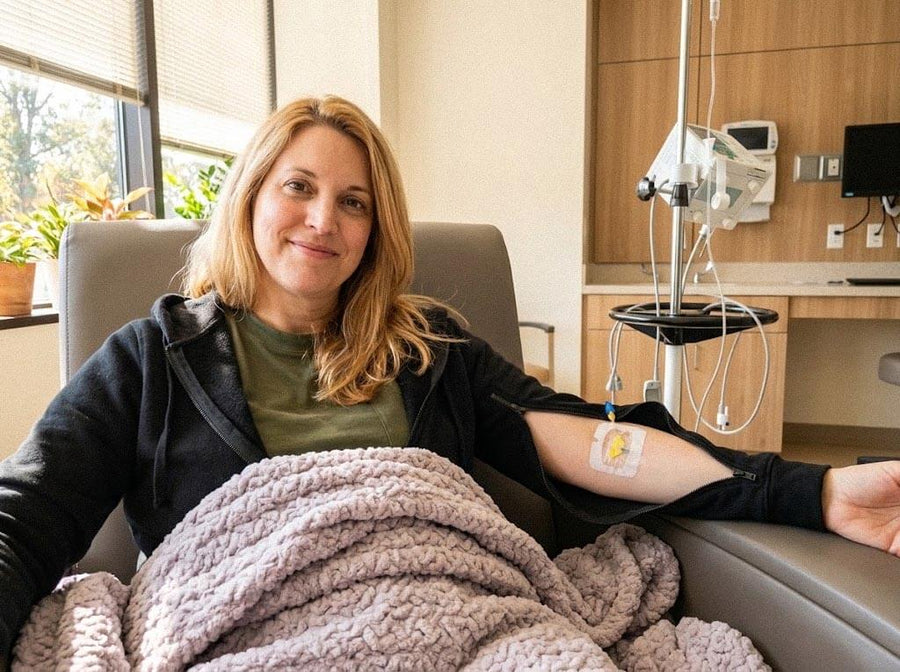
Our Cancer Stories (OCS) is a cancer resource platform dedicated to uplifting patient and survivor voices. It is a safe space for those who’ve walked the journey between illness and life beyond it all. OCS is a platform for patients and survivors to share what it feels like to face a diagnosis, treatment, and life after.
If you have recently beaten cancer, learning about the experiences of other survivors can be invaluable as you face the challenges of survivorship head-on. This article spotlights one such challenge and offers insights from real, lived experiences to help you find your way back to yourself after cancer.
Throughout your treatment journey, you may look forward to your last treatment session or check-up. However, when that day finally comes, you may find yourself facing a completely new set of challenges: the ones that come with survivorship. These challenges, though very real, are less talked about because survivors are often expected to feel nothing but gratitude for having made it to the other side.
If you have survived cancer, the treatment and recovery journey may have changed the way you look and feel in your body. You may expect yourself to return to pre-treatment routines, but find that they feel different or unfamiliar. The nature of your closest relationships may have changed too. Most survivors face such challenges and though each person’s journey is unique, common threads often emerge in how people adjust.
The journey to return to yourself as a cancer survivor will take you through several small changes and quiet moments that slowly rebuild confidence. Living beyond illness often involves relearning everyday habits with patience; learning to accept and work around the changes that come with survivorship is paramount to feeling like yourself on the road to recovery.
Self-Image and Appearance
Your body might not look the way it used to after everything. Things like hair loss, weight gain, surgical scars, or ostomies may show up in the mirror. These changes aren’t small; they can significantly shape how you see yourself, and your confidence can slip without warning.
It is important to acknowledge feelings of sadness, loss, frustration, or anger about how the cancer journey changed your self-image and appearance. Take time to grieve these changes and know that you are not alone in feeling this way.
“Struggles with my self-esteem/self-image have had the biggest impact on me. My self-esteem has taken a hard hit and hasn’t recovered,” a stage 4 prostate cancer survivor shared. Over time, it may be helpful to recognize the many ways in which cancer made you a stronger and more resilient person. You may find it helpful to reframe the changes in your appearance as proof of this strength. Wit time, kindness toward yourself, and people who care, the belief in who you are slowly comes back, sometimes showing up where you least expect it.
Physical Abilities and Lifestyle Changes
You may feel less physically capable than you were before the cancer or treatment. This can show up in a variety of ways, for example, needing extra time to finish chores that were once a breeze. “I had to cut back on physical activities and take more frequent breaks when I work hard,” noted one stage 3 lung cancer survivor. For this very reason, leaning on people for support may become part of your daily routine, rather than a rare exception. While this can be difficult for some, as asking for and accepting help does not come naturally to everyone, you should give yourself grace and let the people who care about you be there for you. After all, you would do the same for them in an instant if the roles were reversed.
It is also important to remember that you have the power to rebuild your physical abilities through exercise. Several healthcare providers acknowledge that exercise is crucial for improving physical health in cancer survivors, and studies suggest that exercise can even reduce the risk of recurrence. If you have undergone surgery or other physically demanding treatment, you may find it best to start with low-intensity exercise, such as walking or light yoga.
Relational Challenges
Cancer survivorship may also compel you to withdraw from social gatherings or loved ones due to changes in your self-image or personal identity. You may find yourself stepping back from dinners, parties, and even close conversations, because something about you is different now, and people may not always seem to understand that. Still, leaning on those who care, on the people who have been there for you through thick and thin, can often make the road to recovery seem a lot less steep.
“You should keep your family and friends close because even though you are over the mountain, you still have to come down from it and need their support to do so,” shared a survivor of stage 2 colorectal cancer.
Several survivors also note that sharing their feelings about cancer and survivorship has helped their relationships and allowed them to feel closer to their loved ones. Sometimes, your friends and family may not immediately know how to support you; but being transparent about your needs or directing them to the right resources can help them better understand what you require.
Other survivors have also found support through cancer communities. These can be through in-person support groups, such as runs by the American Cancer Society, or online cancer communities, such as MyLifeLine. Finding more cancer survivor stories may also help support your journey forward. Reading about survivors’ unique paths after diagnosis can help you understand that several possible roads lead to recovery. It is only a matter of finding which one feels the most like yours.
This is a collaboration article with Our Cancer Stories and is not sponsored.
References
- National Cancer Institute: How Cancer Affects Your Self-Image and Sexuality
- Mayo Clinic: Managing your emotions after cancer treatment
- Memorial Sloan Kettering Cancer Centre: How to Regain Body Confidence After Cancer
- Dana-Farber Cancer: Institute Social Relationships