If you live with psoriasis, you can almost feel the change coming before the weather app confirms it.
The air dries out. The wind picks up. The heater turns on, and suddenly, your skin feels like it’s fighting against you again.
For many, fall and winter aren’t just about colder days. They’re flare seasons. And understanding why that happens can help you protect your skin, your comfort, and your peace of mind.
What Psoriasis Really Is (and Why It Acts Up When It’s Cold)
Psoriasis is an autoimmune condition that causes the body to produce new skin cells too quickly. Those extra cells build up on the surface, creating patches that can itch, burn, and crack, especially when the air gets cold and dry.
In the warmer months, natural humidity and a bit of sunlight can calm inflammation. But when the temperature drops, the moisture disappears from the air, and often, from your skin. Indoor heat and long hot showers only make it worse.
So it’s not just your imagination, winter really can make psoriasis harder to manage.
The Seasonal Struggle No One Talks About
There’s something uniquely difficult about living with a skin condition when everyone around you is leaning into “cozy season.”
- While others pile on thick sweaters and long sleeves, you might be wondering which fabrics won’t make your skin itch.
- While everyone talks about bubble baths and hot showers, you’re thinking about how to not strip what little moisture your skin has left.
And on top of that, there’s the emotional side, flare-ups can impact confidence, sleep, and even the desire to leave the house. It’s okay if it feels exhausting. Managing psoriasis is about more than skin, it’s about navigating a thousand small adjustments every single day.
For people with psoriasis, fall and winter are flare seasons, not just colder seasons. Knowing why this keeps happening doesn't necessarily make it less frustrating, but it can help you prepare and, hopefully, suffer a little less.
How to Protect Your Skin in Colder Months
-
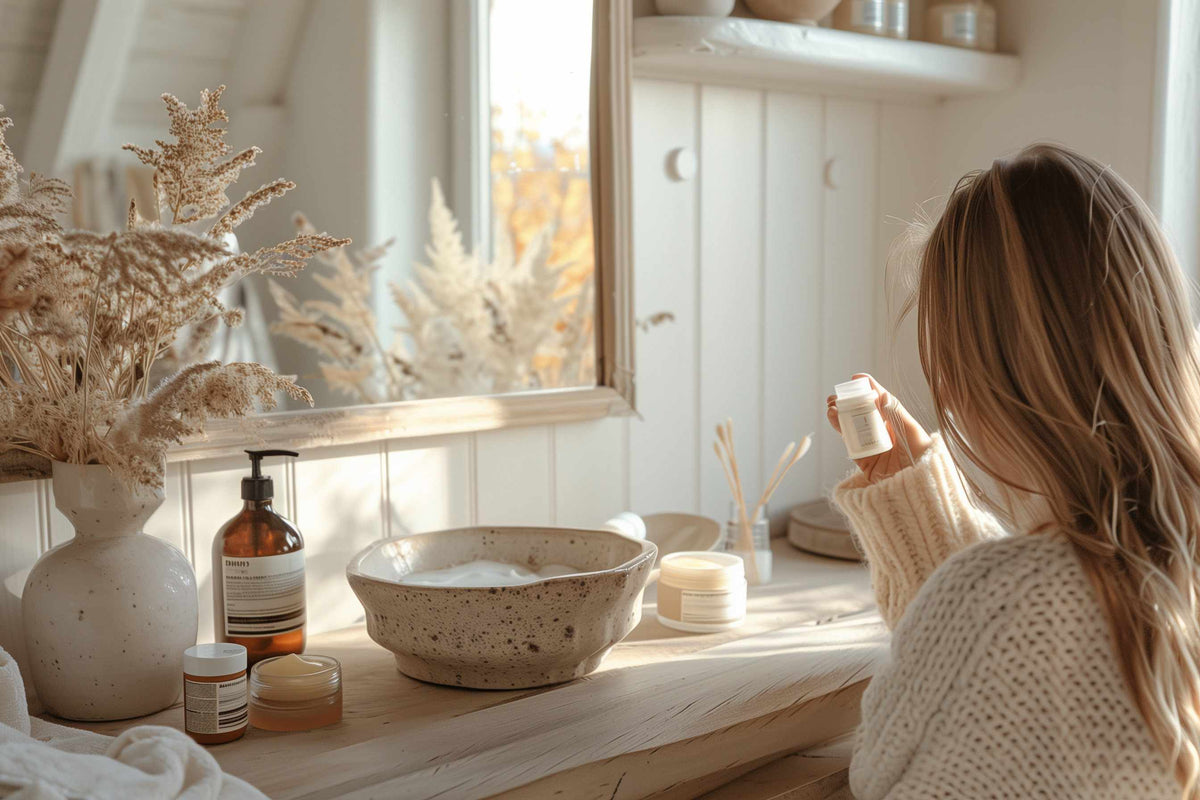
Use thick, fragrance-free moisturizers. Not the nice-smelling ones. We're talking tubs of heavy-duty creams, the greasy kind, that you apply within minutes of stepping out of the shower, while your skin is still damp. This helps trap moisture before it evaporates.
-
Run a humidifier in your bedroom at night. It really does make a difference. It adds moisture back into dry air and helps reduce overnight skin dryness, which could mean waking up to skin that's a little less angry.
-
Consider light therapy - cautiously. Some people find relief with phototherapy or controlled UV exposure, but this needs to be handled with your dermatologist. Too much light can cause more problems than it solves.
-
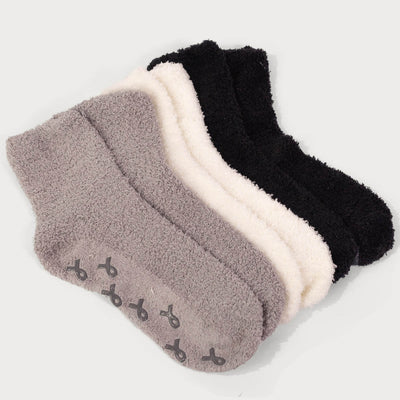
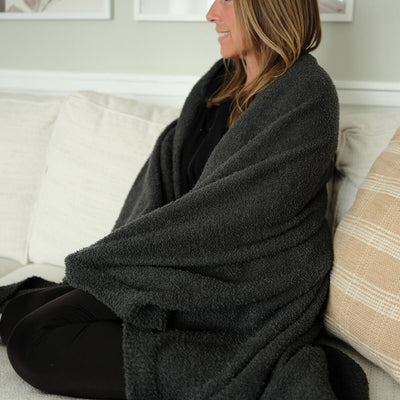
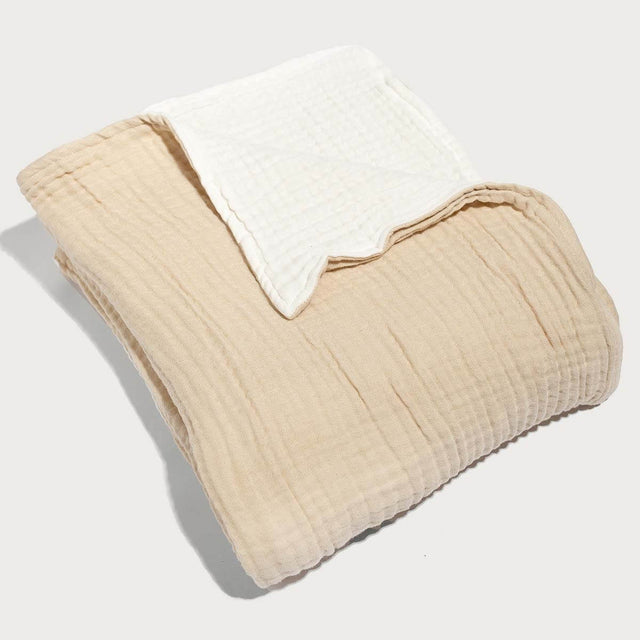
Choose gentle clothing that doesn’t aggravate your skin. Opt for soft, breathable fabrics. Avoid tight elastics, synthetics, or anything that clings or chafes. Some days, what you wear can determine whether your skin has a tolerable day or a miserable one.
-
Adjust your medication or topical treatment routine. Many people switch to thicker creams in winter, or keep travel-sized treatments in a Pill Pouch for reapplication on the go without needing to head home.
Building a Routine That Actually Works for Your Life
Staying on top of psoriasis through the colder months comes down to two things: preparation and consistency.
But consistency isn’t easy when you’re uncomfortable, exhausted, or just want to feel normal for five minutes.
- For some, consistency means setting phone reminders to reapply lotion throughout the day.
- For others, it means keeping all gentle skincare products in one place, so you're not digging through drawers when your skin is flaring.
- For many, it’s about recognizing the early signs of inflammation and choosing rest over pushing through.
Living with psoriasis can feel like negotiating with your skin. It’s demanding — more care, more products, more money, more patience. And even then, it’s unpredictable. It’s not just skin. It’s something you manage every day.
You Don’t Have to Be at War With Your Skin
This season, remember this: You don’t have to be at war with your skin. You just have to care for it, as gently as you can, with what you have.
Protect it from the things that make it worse. Nourish it with what helps. And when it’s asking for more than you have to give, give yourself permission to slow down.
Even on the days your skin feels rough, angry, or unrelenting, you still deserve:
- Softness
- Comfort
- To feel at home in your body
Psoriasis Means Daily Adjustments Most People Don’t Think About
At BeWell, we create products with sensitive skin and chronic conditions in mind. Because comfort shouldn’t be complicated — even when everything else is.