


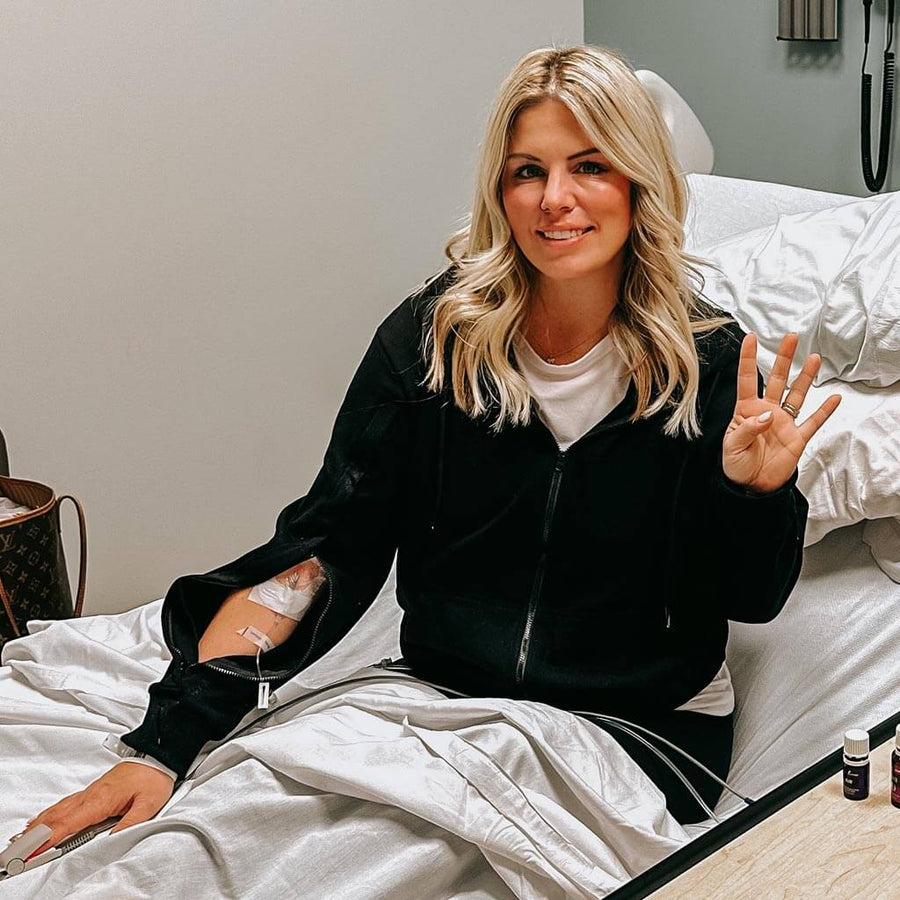
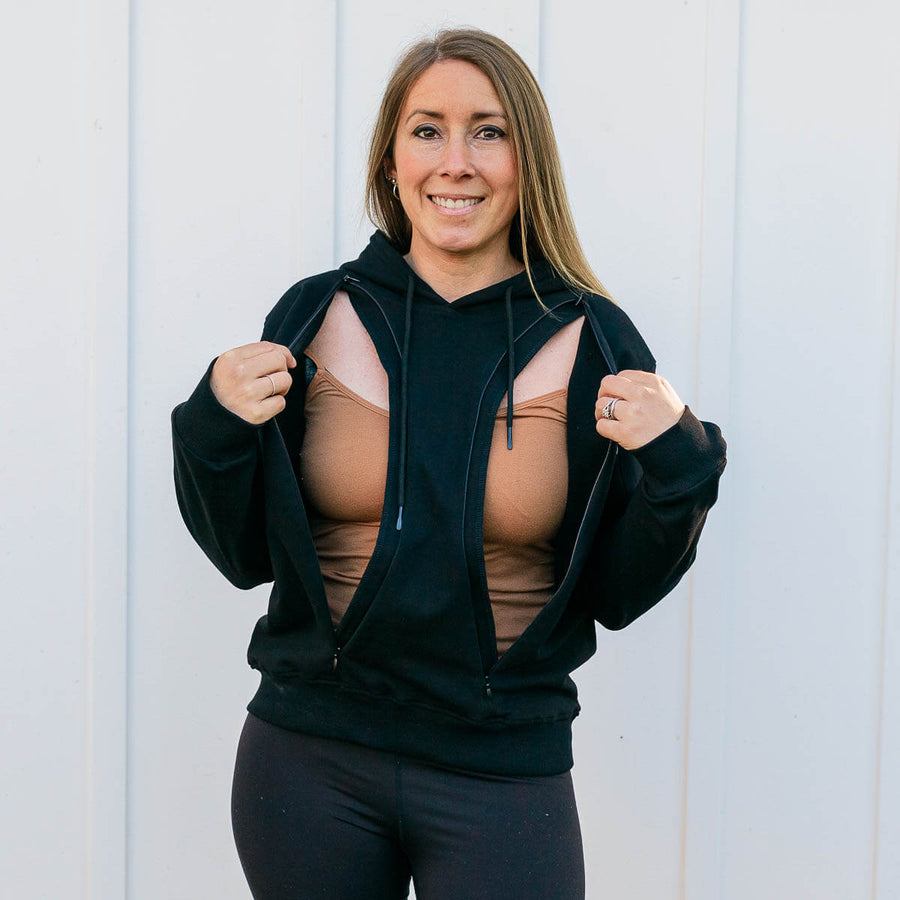
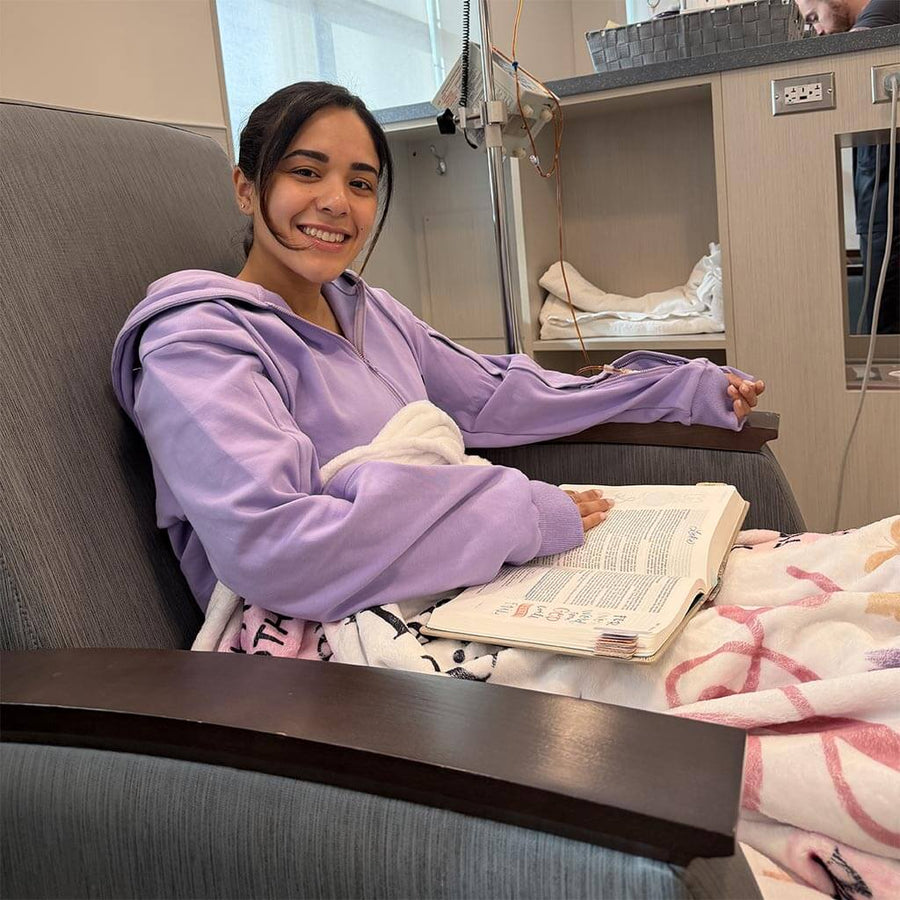
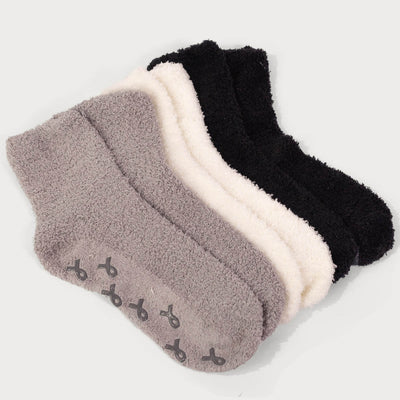
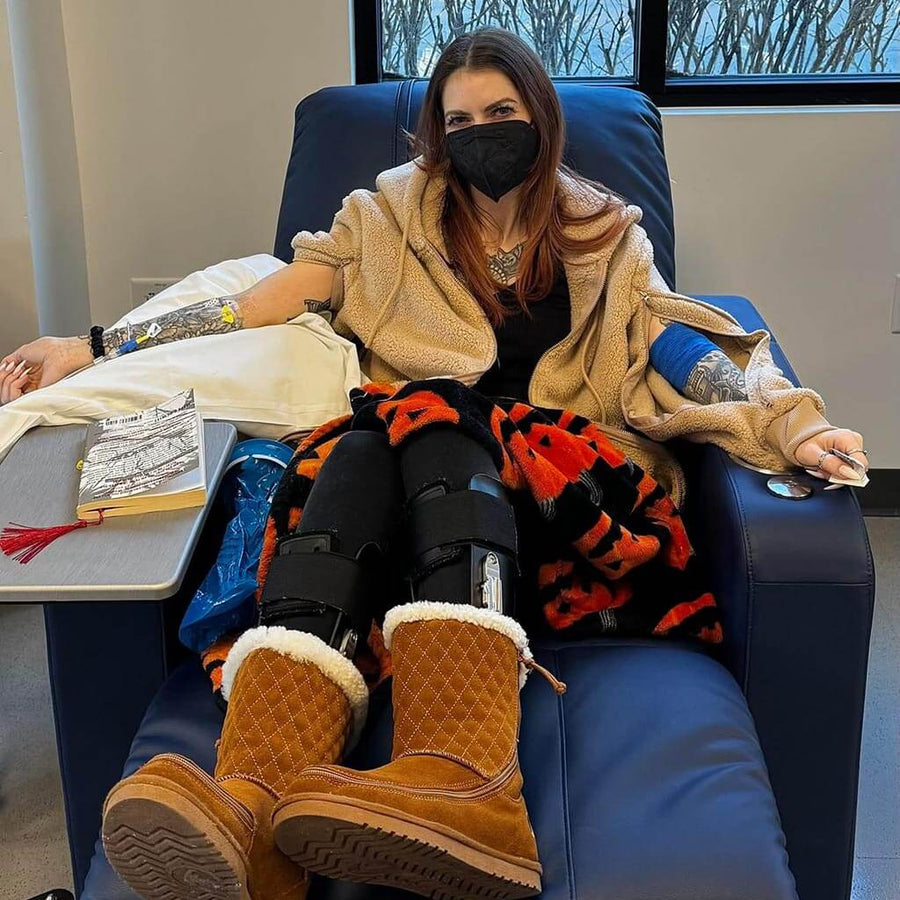

The holidays come with this implicit to-do list that never was actually written out for you but which it seems you are expected to be in compliance with anyway. You are expected to go to all the parties. You are expected to consume all the traditional dishes. You are expected to stick around until the end of the party. You are expected to decorate your house as if it were a picture in a decorating magazine. You are expected to send a card to all of your acquaintances.
“The holiday season,” the ultimate to-do list. This list, in addition to a body that requires TLC, exercise, and constant calculations of energy, can be utterly suffocating when dealing with chronic conditions. Newsflash: This holiday thing? It’s a lot. Sometimes it’s too much.
At BeWell, we want to say something simply and definitively: you are free to do the holidays completely differently. What you need is not an inconvenience, but a requirement. What you limit yourself to is not a failure, but data. And what your body actually needs is not a kind of holiday indulgence, but the only way to fully participate.
These are some of the specific permissions that we think you may need so that you can hear this year:
It's Okay to Leave Early (Or Not Go At All)
That calculation you do before every party? The one where you’re mentally plotting the path to the bathroom, the drive time, whether you’ll be able to find a seat, how much of your energy will go into small talk, and how many days of recovery will be required after?
That calculation is exhausting before you even walk through that door.
If you find yourself needing to leave after one hour as opposed to staying for four, then that's perfectly fine. If you find that you don’t need to come for the appetizers but for dinner only, then go for it! If you realize that you need to go home now, then go; you are allowed to do so without any lengthy justifications or excuses.
Symptoms don't take a holiday just because you are having fun too. Your routine is in place because it keeps you stable, and not following it for a holiday or a party, no matter how big that party is, can cause you to lose progress that you made in days or weeks.
Leaving early isn’t “missing out.”
Protecting yourself so you can show up.
Stepping back so you can move forward.
It's Okay to Bring Your Own Food
Holiday meals can be complicated when it comes to food sensitivities, medication, or other issues for which certain foods can be very dangerous. The pressure to simply eat what you’re fed and be grateful for what you have can be very strong.
But appearing with food that I know I can eat isn't rude. It's not causing trouble. It's not high-maintenance or trying to be special. It's problem-solving in action, which enables me to take part in a meal without worrying for two seconds about what could potentially make me ill.
There could be a need for gluten-free foods, but the party host doesn’t understand cross-contamination. There could be dairy issues, which cause problems for days. There could be a medical reason to limit your food intake that you are not comfortable sharing with your aunt's new boyfriend. There could be food interactions with the medicines you are taking.
You deserve to eat in peace, without worrying, without having to defend every bite, and without feeling dreadful afterwards. This is what being able to bring your own food means.
It's Okay to Be Choosy About Events
When you are healthy, perhaps you are able to make three other parties in one weekend alone, and go to the office party lunch, as well as the neighborhood cookie party, and still have some strength in reserve. But when you are dealing with chronic illnesses, just leaving your home once a week is enough.
A lot of things packed into too short an interval are exhausting—not to mention potentially overwhelming. This is true on the social aspect—the physical work of getting prepared and traveling—is already significant.
You are free to pick and choose. You are free to show up at the events of importance to you and skip the ones that aren’t. You are free to rest instead of attending every commitment. Being picky about where you spend your dwindling energy is not antisocial; it's simply surviving.
So, truthfully? Those individuals that actually care about you will understand. Those that don’t? Are likely worth less effort.
It's Okay to Eat Differently Than Everyone Else
There's this odd pressure that exists in holiday seasons in which you have to eat what everyone else is eating, in terms of amount, in terms of time. Others notice when you skip dessert. Others notice when your portion sizes are smaller. Others insist in feeding you in ways that amount to an almost imperative gesture of generosity.
But you’re not obligated to explain any of this to other people. You’re not obligated to explain why you’re skipping the pie or why you brought your own contribution or why you’re eating different meals or why various foods are forbidden unto you.
Eating in a way that honors your body is not rule-based or deprivation-prone. It is, in fact, how you are able to show up in the first place. The difference between taking part in the holiday and having to spend the next three days in bed recovering from a food that triggered a massive flare.
Your body’s needs are more significant than how one person may feel when you do not prepare their specialty.
It's Okay to Ask for What You Need
This is a tough one because asking is often seen as a sign of weakness or entitlement. Accommodations, however, are not a form of preferential treatment, they’re a means to an end.
Perhaps you require a more quieted space as a result of sensory overload that can be a real phenomenon for many people. Perhaps you require a chair since standing for an extended period of time sets off symptoms in the case of POTS. Perhaps you require an adjustment in temperature as a result of the inappropriate thermoregulation of your body.
To demand these things is not to demand very much. It is to demand the conditions of entry for even being present.
People of the right kind will be more than happy to help. People who make you feel bad about your needs, though, are saying something important about themselves.
It's Okay to Skip the Alcohol
Alcohol interacts with way too many prescription drugs. It aggravates way too many symptoms. Some of us are just over wine, and that is that.
However, there’s also pressure related to drinking around the holidays: champagne at toasts, eggnog, wine at dinner, and then drinking after dinner. Others pick up on the fact that you’re not drinking and then comment on that and even pressure you about drinking.
You do not owe anyone an explanation as to why you are not drinking. "I am not drinking tonight" is a full sentence. You may defend your body without having to explain your whole medical history as to why.
It's Okay to Prioritize Comfort Over Appearance
There are holiday events that require these unspoken dress codes. You’re supposed to look holiday-ish and all pulled together. Uncomfortable shoes, constricting clothes, itchy fabric, it’s all part of the holiday look, I guess.
However, when it comes to conditions involving chronic pain, sensory sensitivities, temperature dysregulation, or simply recognizing that in order to perform, individuals need to be comfortable, such beauty standards can be decidedly harmful.
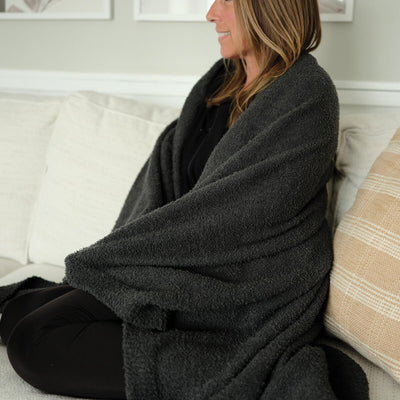
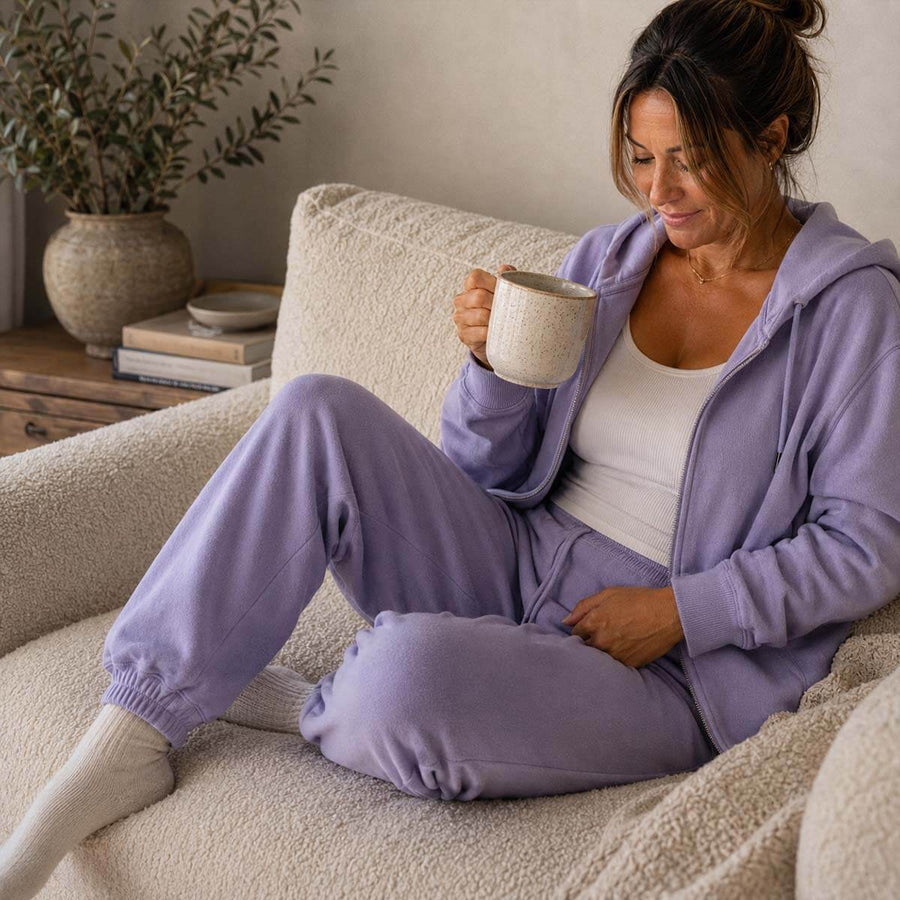
Picking an outfit that will keep you warm and toasty, or even more practical and supportive if you need it, is not a lowering of the bar. It's meeting it where you are. Perhaps it's a swap from a scratchy holiday sweater to one of your softer ones. Perhaps a change from high-heeled shoes to flat shoes. Perhaps a change from a body-shaping dress that doesn't let you breathe.
Your comfort is far more important than trying to fit an ideal of what holiday wear should look like.
It's Okay to Reinvent Traditions
Sometimes the traditions you grew up with just can’t be carried out any further. Maybe you like Christmas dinners, but you physically are no longer able to do it. Maybe you like caroling or ice skating or a marathon of Christmas cookies, but your body just won’t let you do it anymore.
Giving up old traditions may feel like losing parts of yourself. However, it also provides a chance for introducing other traditions, which fit your life better according to your changed physique.
New traditions can be small. Whisper-soft. Gentle. They can center on rest as opposed to activity. Connection as opposed to production. On your timeline as opposed to everyone else’s schedule.
Perhaps your new tradition becomes viewing holiday movies in your favorite cozy clothes. Perhaps it becomes taking out rather than making a big holiday meal. Perhaps it becomes honoring the holiday on a day that you feel more energetic on. Perhaps your new tradition becomes Facetiming friends rather than having to travel to visit them.
Traditions are expected to be a source of happiness and bonding. If they are no longer a source of that and are instead causing anxiety and tiredness, you can modify or change the tradition.
It’s Okay If the Decorating Didn't Happen
There's this ideal of what homes should be decorated like during the holidays—the perfectly decorated tree, the lights, the holiday tables, the colors. Social media has exacerbated this because people are displaying their holiday tables on social media.
However, if your tree is still in the box in the garage, or you decorated three spots and that's all the elbow grease you could muster, or maybe even called off the decorating binge because of the physical cost this year, that's totally acceptable.
Your home doesn’t have to look like it’s from a holiday calendar in order for the holiday to be valid. Your value isn’t measured in the number of things that are on the tree. Holidays are not something where there is a report card on the design of the stage.
Sometimes just making it through the season is enough. Sometimes the accomplishment is simply survival.
It's Okay If Gift-Giving Looks Different
The pressure regarding gifts is extreme. You are expected to give thoughtful and personalized gifts to all. These need to be beautifully packed. You need to write the cards by hand. The entire presentation is expected to be so easy even though it has taken you a lot of time and hard work.
But what if you don’t have that time and energy? What if spending a day shopping is exhausting? What if you can’t afford fancy gifts because chronic illnesses are costly? What if gift-wrapping involves small motor skills you aren’t currently possessing?
Gift cards are okay. Online shopping is okay. Having someone else put presents together for us is okay. Smaller, simpler gifts are okay. Just being honest about what we can handle is okay.
The people who actually care about you won’t be demanding expensive gifts with fancy packaging. They would want you to be all right.
A Permission Slip for This Season
You’re allowed to get through the holidays at a pace your body can manage. You’re allowed to prioritize yourself over what someone else wants for you. You’re allowed to say no to things that will hurt you, no matter how big those things are, whether it’s a holiday, a family, a party everyone invites you to.
You get to build a holiday season that actually supports your lifestyle and doesn’t just destroy you trying to fit your picture of a holiday season into someone else's image of what a holiday season looks like.
You are allowed to rest. To set boundaries. To leave early. To stay home. To eat differently. To skip things. To alter everything. To do it all completely wrong and have it be exactly right.
“Okay,” you can say this holiday season, “I’m going to take care of myself. Not some other time, after I’m ‘better,’ after my symptoms are ‘in control,’ after life is ‘easier.’ Right now, just as I am, just as I need to be taken care of. With all my needs and requirements and limitations. Maybe even because of all.”
You can take care of yourself, even in the holiday season. Particularly in the holiday season.
As a part of BeWell, we know that the holiday experiences of someone living with a chronic illness mean always being at the crossroads between what they want to do and what their body’ll actually allow them to do. We strive to develop products that are not only comforting but helpful during this difficult period, because caring for oneself shouldn’t ever mean that it’s something one apologizes for.
Save Your Spoons in December
Rethinking Christmas Cookies: A Time When Your Body Doesn’t Tolerate Them Like it Used To