Tomorrow, September ends.
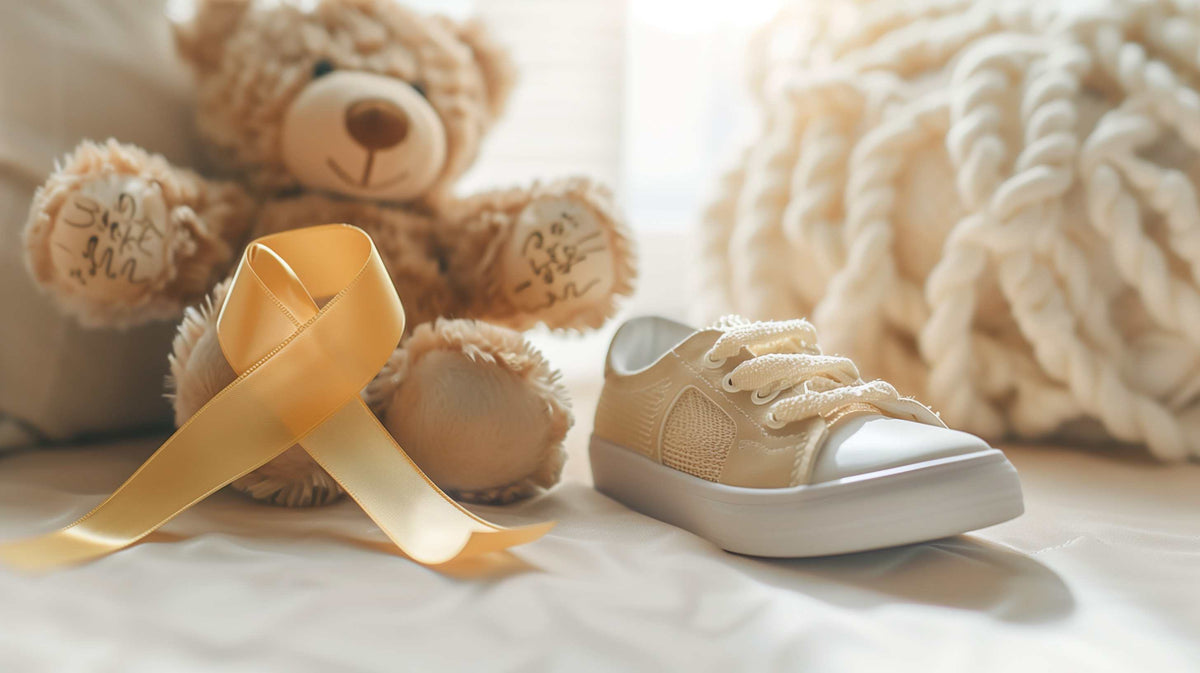
The gold ribbons will slowly disappear from social media feeds. Childhood Cancer Awareness Month will be over. The world will move on to October.
But thousands of families won't.
There will still be early-morning bloodwork. Port accesses. Infusions. Scans. Hospital stays. Missed school days. Parents sleeping in uncomfortable chairs. Brothers and sisters wondering when things will feel normal again.
In the United States alone, an estimated 9,680 children under age 15 will be diagnosed with cancer in 2026. And while tremendous progress has been made, about 85% of children diagnosed with cancer now survive at least five years, childhood cancer is not one disease, one treatment or one experience. Outcomes vary considerably depending on the type of cancer and other factors.
So as Childhood Cancer Awareness Month comes to an end, we don't simply want to say, keep raising awareness.
We want to share a few things worth remembering, and acting on, long after September is over.
1. Childhood cancer isn't one disease.
When we say "childhood cancer," we're talking about many different diseases.
Leukemias, brain and central nervous system tumors, lymphomas and other solid tumors can all affect children. Even within a particular cancer, the treatment a child receives can differ based on the specific diagnosis, risk factors and how the disease responds to treatment.
Treatment can include chemotherapy, surgery, radiation, immunotherapy, targeted therapies or stem cell transplantation. Children are also commonly treated at specialized pediatric cancer centers by teams familiar with the unique needs of children and their families.
That's important to remember when meeting a family affected by childhood cancer.
Two children can both "have cancer" and be experiencing completely different realities.
There is no single childhood cancer experience.
Sometimes the best thing we can do is listen instead of assuming we understand.
2. Treatment doesn't follow an awareness-month calendar.
Cancer treatment isn't neatly contained within September.
Depending on the diagnosis, treatment can involve repeated cycles and phases of therapy. For children with acute lymphoblastic leukemia (ALL), for example, chemotherapy is given in multiple phases, with some periods being considerably more intensive than others.
And finishing active treatment doesn't necessarily mean cancer disappears from a family's life.
Follow-up appointments and testing can continue for years. Doctors may monitor for recurrence as well as short- and long-term effects of treatment. Some effects of childhood cancer treatment can appear months or even years later.
There can be tremendous joy when treatment ends.
There can also still be appointments, anxiety, uncertainty and adjustment.
Treatment doesn't follow an awareness-month calendar. Support shouldn't either.
3. When a child has cancer, an entire family is affected.
A childhood cancer diagnosis happens to one child.
But its effects can reach an entire family.
Parents suddenly become caregivers, schedulers, advocates, medication managers and experts in terminology they never expected to learn.
Normal routines can be replaced by hospital stays and appointments. Work schedules change. Plans get canceled. One parent may be at the hospital while another tries to keep everything moving at home.
And then there are the siblings.
The National Cancer Institute notes that brothers and sisters may spend more time away from their parents, take on additional responsibilities, struggle with school or simply wish someone would ask how they are doing.
They may be scared for their sibling while simultaneously missing the way their family used to be.
They may feel guilty for wanting attention.
They may try very hard to be "the easy kid" because they know Mom and Dad already have enough to worry about.
So when you're supporting a family affected by childhood cancer, remember the people surrounding that child, too.
Ask the sibling about soccer.
Bring Mom coffee.
Text Dad.
Offer the grandparent sitting in the waiting room something to eat.
When a child has cancer, the whole family needs people in their corner.
4. Instead of saying "Let me know if you need anything," offer something specific.
We say it because we mean it:
"Please let me know if there's anything I can do."
But imagine being the parent of a sick child.
You're keeping track of medications, appointments, lab results, insurance, school, work, meals and everything happening at home.
Now you have one more job:
Figuring out what someone else can do for you.
The National Cancer Institute specifically recommends practical support such as cooking, cleaning, grocery shopping and helping drive siblings to activities.
So try removing the decision entirely.
Instead of:
"Let me know if you need anything."
Try:
"I'm bringing dinner Wednesday. Would 5:30 or 6:00 be better?"
Or:
"Can I drive Emma to soccer this week?"
"I'm going to the grocery store. Send me five things you need."
"I'm free Saturday morning. Can I mow the lawn?"
"I'm sending a DoorDash gift card. Please don't worry about responding."
"Can I take the kids for a few hours this weekend?"
And don't underestimate small acts.
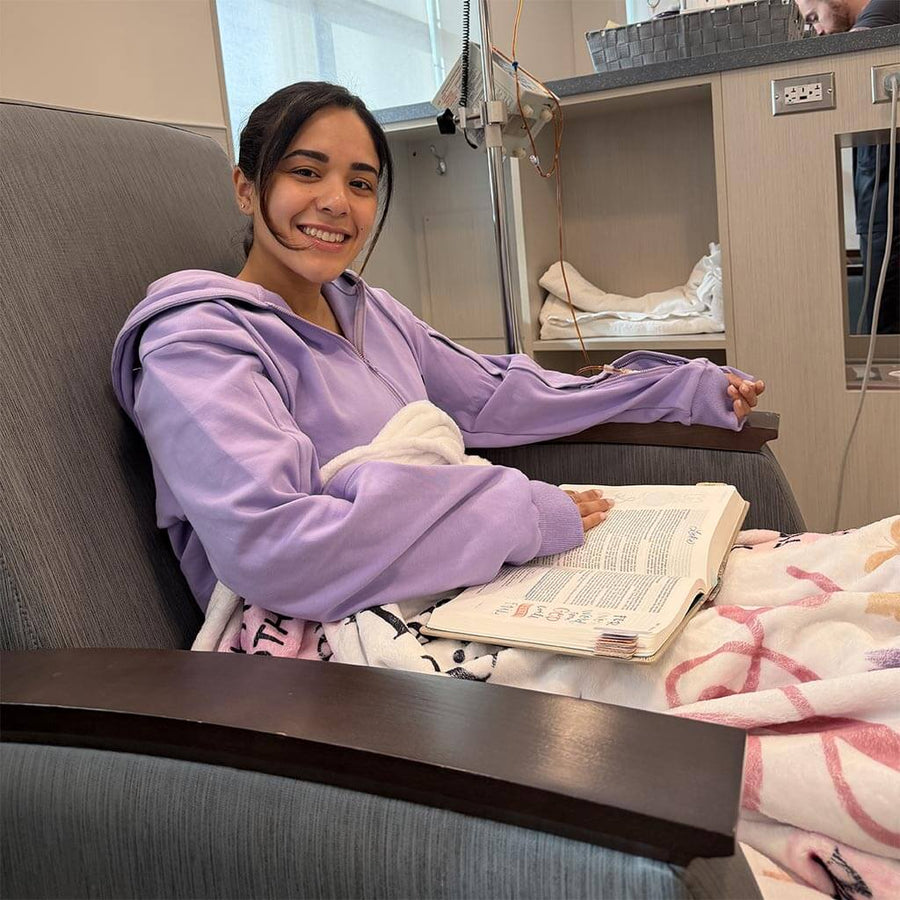
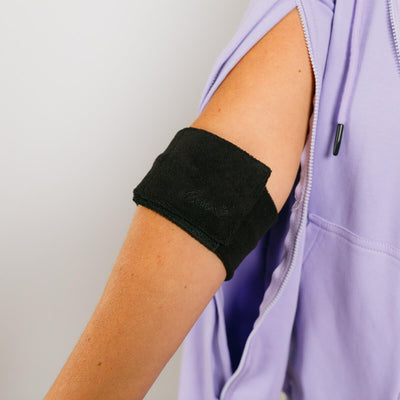
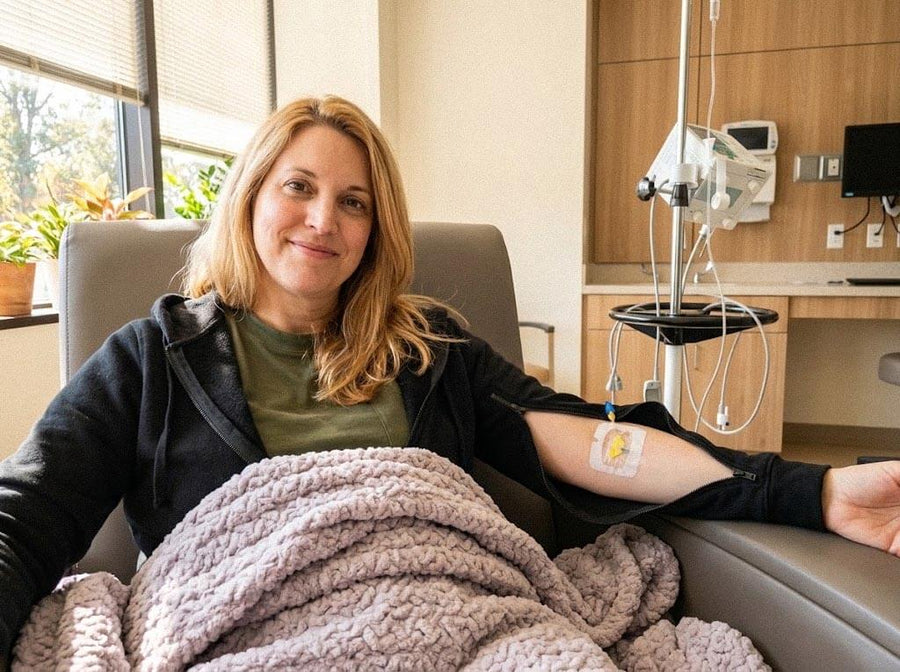
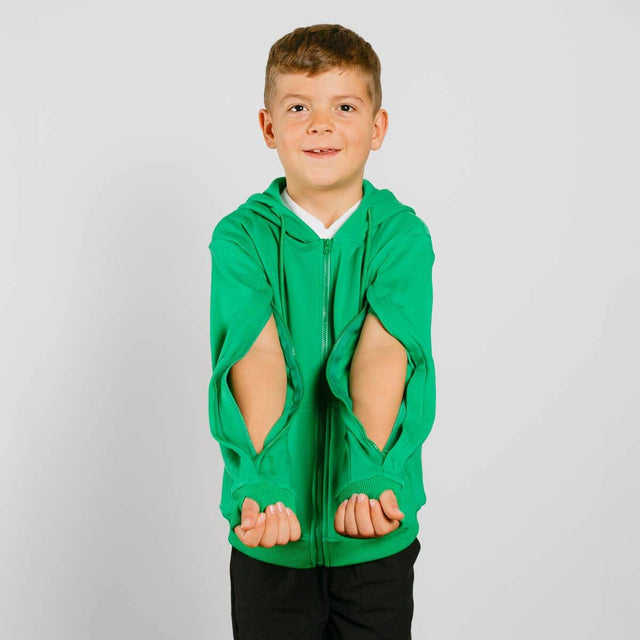
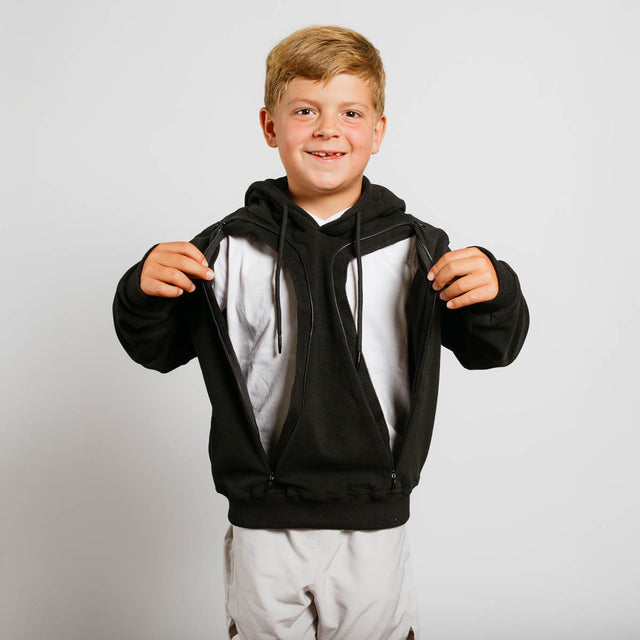
Remember a scan date and send a text that morning. BeWell hoodies have been described as game changers that make patients cry with joy. Don't wait for them to freeze first.
Drop off coffee.
Send something to the sibling.
Check on the caregiver. Did you see the BeWell Caregiver Collection? They get cold too.
Sometimes helping doesn't require knowing exactly what to say.
It just requires showing up.
5. Don't disappear when treatment ends.
At diagnosis, people often rally.
There are messages. Cards. Meal trains. Gifts. Fundraisers. Offers to help.
Then weeks become months.
Life understandably keeps moving for everyone else.
But the family may still be living with cancer in ways that aren't as visible anymore.
Even after treatment ends, children can require ongoing follow-up care. Families may be navigating long-term or late effects of treatment, returning to school, rebuilding routines and dealing with the emotional weight of follow-up testing.
So put a reminder in your phone.
Check in three months from now.
Six months from now.
Next September isn't the next time that family should hear from you.
Support shouldn't have an expiration date.
6. Remember the child before the cancer.
This one matters.
A child going through cancer treatment is still a kid.
Cancer may suddenly occupy an enormous part of their life, but it isn't their identity.
They're still the kid who loves baseball.
Or Taylor Swift.
Or dinosaurs.
Or Minecraft.
Or LEGO.
Or dance.
Or drawing.
Or telling the same joke 47 times because it still makes them laugh.
Help children stay connected with friends, school and activities when possible. Play, games, music and other familiar activities can also help children cope during treatment.
So don't feel like every conversation has to begin with:
"How are you feeling?"
Ask about their favorite team.
Tell them a terrible joke.
Play a video game.
Ask what they're watching.
Let them tell you something completely ordinary.
There may be days when feeling like a regular kid is exactly what they need.
They are a child who has cancer. Cancer isn't who they are.
7. Awareness matters most when it becomes action.
Wearing gold matters. It is an act of solidarity, and we are here for it.
Sharing stories matters. It shows they are not alone.
Talking about childhood cancer matters. It raises awareness.
But awareness becomes especially powerful when it changes what we do next.
Donate to reputable pediatric cancer research and support organizations.
Give blood or platelets if you're eligible.
Support organizations helping families with travel, lodging, meals and other needs.
Remember siblings. Bringing the cancer patient a stuffed animal, their sibling is probably lonely too.
Remember caregivers.
Support pediatric cancer research.
Check on the family whose treatment journey you've been following even after the updates become less frequent.
And if there's a childhood cancer family in your own community, don't worry so much about finding the perfect words.
Just keep showing up.
September ends. Childhood cancer doesn't.
Tomorrow, the calendar turns to October.
There will be new awareness months, new ribbons and new causes filling our feeds.
And that's okay.
But somewhere tomorrow morning, a child will still walk into a hospital.
A parent will still pack a treatment-day bag.
A sibling will still head to school while wondering what's happening at the hospital.
A caregiver will still sit beside someone they love.
So take the gold ribbon down if you need to.
Just don't take your support with it.
Save this. Share it. Send it to someone who wants to support a childhood cancer family but doesn't quite know how.
And three months from now, when Childhood Cancer Awareness Month feels far away, reach out again.
Because awareness was never supposed to end with September.