Happy Irritable Bowel Syndrome Month! If you don't know what Irritable Bowel Syndrome (IBS) is, let me tell you. According to the International Foundation for Gastrointestinal Disorders, “IBS is a disorder in which people have recurring issues with abdominal discomfort or pain that is associated in some way to their bowel movement. Typically this intermittent abdominal pain is accompanied by diarrhea, constipation, or alternating episodes of both (mixed). Bloating or distention of the abdomen is also common, and other symptoms may be present as well.”
But if you ask me, IBS is an annoying, painful, and often confusing condition. I’ve been dealing with IBS for over six years now, and every year I learn something new about it.
Advocate for Yourself
One of the biggest lessons I’ve learned is to always advocate for yourself. When I visited doctors, I was rarely believed. They would brush off my symptoms and blame anxiety. Before I was diagnosed, I was having sharp stomach pains, diarrhea, and nausea. I thought it was something I ate, but when the symptoms stuck around, I knew something wasn’t right.
After undergoing blood tests, colonoscopies, an endoscopy, and trying multiple medications—with all tests coming back normal—I was finally diagnosed with IBS. But no one gave me a guidebook on how to manage it. I was thrown into the confusing world of invisible illness. My biggest piece of advice: don’t let anyone downplay your pain. No one knows your body like you do.
IBS Is Not One-Size-Fits-All
Another thing I’ve learned is that IBS looks different for everyone. Your symptoms may change from day to day. During the first three years of my IBS journey, I had IBS-D (diarrhea predominant). Anything I ate or drank went right through me. Then, I developed IBS-C (constipation predominant), and I couldn’t go for months. That was one of the hardest phases due to the extra pain and bloating.
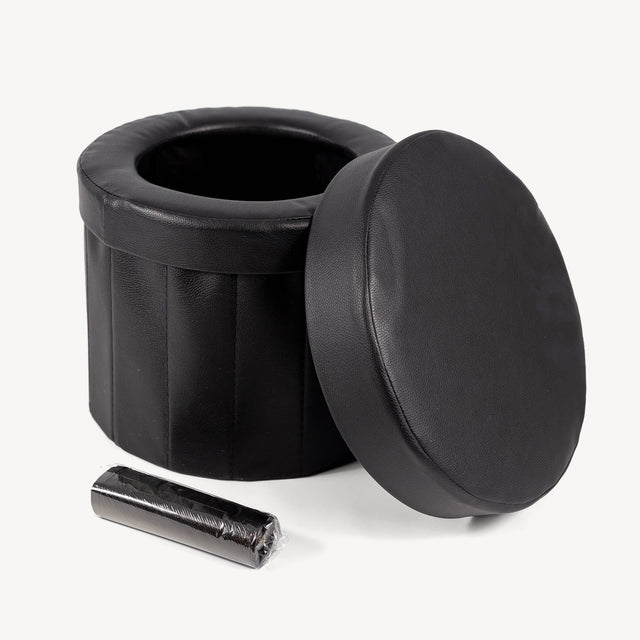
Now I deal with IBS-M (mixed type), meaning my symptoms alternate between diarrhea and constipation depending on the day. It’s unpredictable and frustrating—you never know what to expect. I always have to know where the bathrooms are just in case a flare-up hits.
Understanding Flare-Ups
Flare-ups are periods when your symptoms become more intense than usual. They can be triggered by food, stress, or for no reason at all. I’ve had my fair share of them, and while they never get easier, I’ve developed a few coping strategies that help:
- Always have toilet paper stocked up.
- Try not to panic—easier said than done. Panic makes your body tense up, which worsens cramps. Take deep breaths during pain waves.
- Keep a “bathroom support” item with you—something to squeeze or hold. It helps redirect your focus during a flare-up.
- Use a heating pad. This has been my lifesaver. If you’re out and about, portable heating pads are game-changers.
- Stay hydrated! Flare-ups, especially IBS-D, are incredibly draining. Drink electrolyte water or hot tea when you can.
Steps to Take If You Think You Have IBS
If you suspect you have IBS, start by tracking your symptoms—note what you were eating, doing, or feeling before they occurred. Then take that information to your doctor. If they downplay your symptoms, don’t be afraid to speak up and request a referral to a gastroenterologist.
At the GI specialist, they’ll ask a lot of questions and likely run tests. One of them may be a colonoscopy. While the procedure itself isn’t bad (you’ll be asleep), the prep is the hardest part. I had to drink a prep solution followed by two 16 oz glasses of water—twice. The taste was awful, but sucking on a lemon afterwards helped.
This prep is a laxative that clears your system before the procedure. Make sure to drink it all—if you don’t, you may have to do it again. When your test results come back normal, don’t feel discouraged. It’s common. We know something’s wrong, even if tests don’t show it. That’s part of what makes IBS so challenging.
You Are Not Alone
Living with IBS is confusing and frustrating. We may not have all the answers, but we do have each other. We call ourselves IBS Warriors. Don’t let anyone—doctors or otherwise—make you feel invalid. There’s a whole community out here that understands exactly what you’re going through.
Your story matters. Your pain is real. And you’re definitely not alone.