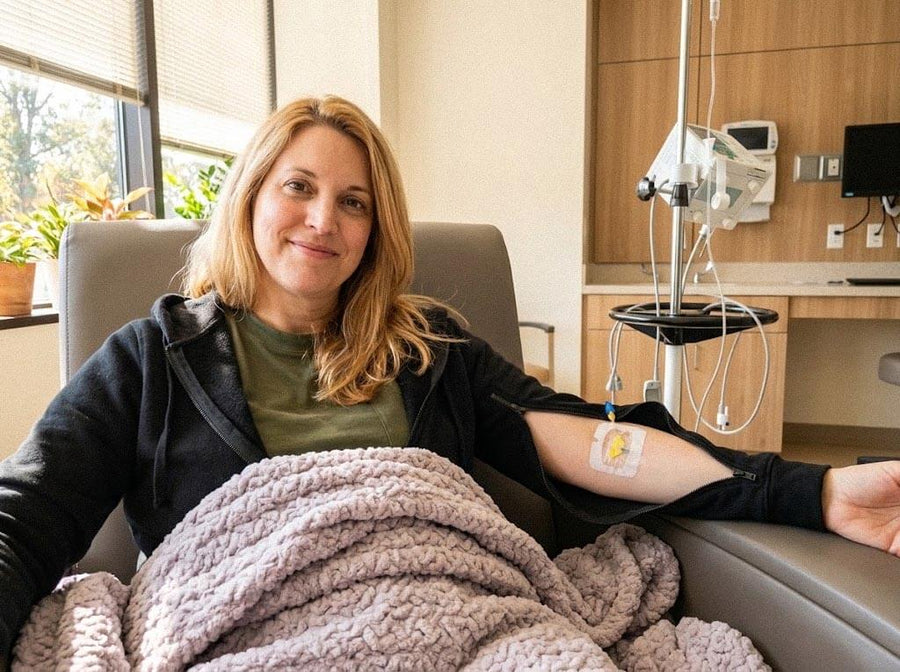
Cold weather might really be making those symptoms flare. Many people with autoimmune conditions see changes when temperatures drop. This shift often ties to how the body reacts to chill, yet movement and warmth sometimes help ease it. Some find relief just by adjusting daily habits slightly.
Winter Takes More From Us
Your body loses moisture without warning. Cold weather hides thirst cues. Indoor heating pulls humidity from the air. That dryness steals water from your lungs each time you breathe. Tiredness creeps in faster when fluids drop. Joints stiffen more than usual. Digestion stumbles if intake lags behind loss.
Sure, gulping cold water while shivering feels off. Try sipping warm water mixed with lemon instead. Herbal tea works well too. Broth can do the job just fine. Staying hydrated matters most, whatever the drink.
Signs you might be dehydrated:
- Darker urine
- Headaches
- Increased fatigue (more than your baseline)
- Dry skin and lips
- Bowel movements might slow down. Some notice their stomach troubles get stronger instead.
Winter Changes How Your Body Fights Illness
Scientists do not fully understand why, yet people often feel worse during colder months. The defense system acts up when it should stay calm. This reaction gets stronger somehow when temperatures drop.
Winter means more sickness floating around. Each cold, flu, or stomach virus could spark a flare. I’m certain gut infections push me into one. Being cooped up inside during colder months makes catching these bugs way more likely — everyone seems to pass something along.
- Soap and water work well when you clean your fingers often — most people do it without thinking now. That routine? It actually blocks germs pretty effectively.
- Keep hand sanitizer everywhere.
- When someone feels unwell, stepping back is fine. Staying away isn’t overreacting, it’s looking out for you.
- When illness hits, sleep longer than feels necessary.
Food, Cravings, and Inflammation
Snow falls while meals grow dense. Warm bowls soothe cold days. When celebrations arrive, trays of sweets appear without warning. Old habits slip away quietly. Winter sneaks in, heavier on cravings.
Some bodies react badly to specific eats. Could be gluten. Might be sugar. Dairy sometimes. Or those packaged meals. When cold months hit, staying clear feels tougher.
Funny thing, holiday meals aren’t the enemy. Still, when symptoms act up and answers feel missing, what's been on your plate lately could hold clues.
Some things that help me:
- When hunger hits, having simple options around means less chance of grabbing something that does not help. Stuff you can rely on should sit where you see it first. Out of sight often leads to choices made fast without thinking.
- Knowing what works keeps things steady when appetite shows up unannounced. A clear shelf beats a sudden craving every time.
- When a meal with tricky ingredients is coming up, staying cautious around it could help. A few days prior, choices might matter more. Afterward, returning gently makes sense. Timing often shifts how things feel.
- Mistakes happen. That tension you feel? It only clouds your thinking more.
Vitamin D and the Winter Drop
When days get shorter, sun exposure drops. That means lower levels of vitamin D inside the body. This nutrient supports how your immune system behaves, also affects swelling in tissues. Many individuals dealing with autoimmune issues run low on it to begin with. Winter tends to deepen that shortage.
Should you go without testing? See a physician. Most people require extra help, particularly between October and March.
Food sources that help:
-
Fish like salmon, mackerel, or sardines bring vitamin D into your meals. These oily kinds stand out when it comes to natural sources.
- Egg yolks
-
Mushrooms – a few pack more punch when they've soaked up UV rays. Look at the label to be sure.
-
Fortified foods – besides milk, certain breakfast options come packed with extra nutrients. Cereals and some drinks are boosted.
Facing a shortfall? Eating well might not cut it. For many, winter means needing extra help from pills.
The Mental Toll of Winter
Winter weighs heavy on the mind. Shorter days shift how your brain works. Chronic illness makes it tougher still — loneliness, constant ache, endless tiredness pile up. The cold months stretch longer because of it.
Funny how a tense mind can flare up the body. Not imaginary — chemicals from stress stir bodily fires. Looking after thoughts means tending to tissues too.
Things that can help:
-
Light therapy lamps (look for 10,000 lux use it in the morning)
- Out there under sunlight helps, just stepping into it briefly can do something. Standing by a window counts too if going further feels like too much effort.
- Even small moments matter when they add up over days. Sunlight touches skin differently than indoor light ever could.
- Texting someone might seem small, yet it keeps ties alive. A message out of nowhere can do more than expected.
- Help might come through therapy, should it be available to you. When it works, that path can make a difference.
- Being honest with yourself about how you're doing.
Raynaud’s and Cold-Sensitive Conditions
Frost bites more than skin. Take Raynaud’s — it flares when the air chills. Joints might stiffen under winter’s weight. Muscles tighten without warning then. Nerve discomfort often follows close behind.
Things that can help:
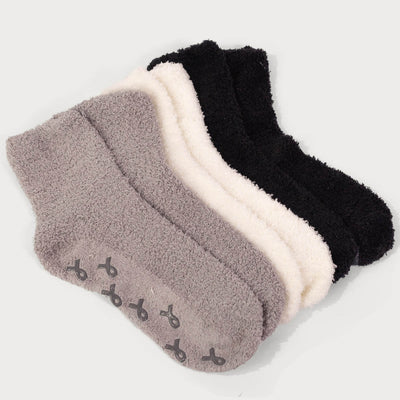
- Keep hand and toe warmers around.
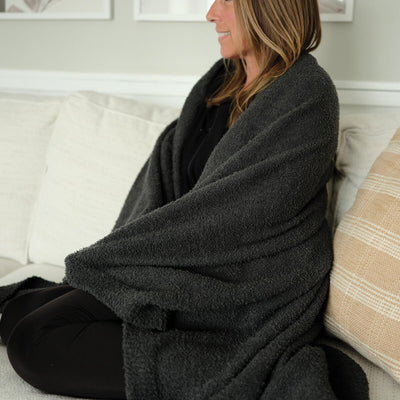
- Heated blankets are worth it.
- Before stepping inside, give the engine a moment to wake up.
- Fingers wrapped tight, blood moves better through the veins. Pressure from snug fabric keeps flow steady in legs too.
Winter Reminders
Winter makes it simple to ignore what feels routine. Still, these points hold weight even if they seem obvious:
- Water matters most during the day. Try setting alerts when it slips your mind. Tea or broth helps too. Start somewhere close to what feels doable.
- Good enough counts, even if it falls short of ideal.
- When days get colder, sleep a little extra. Muscles strain just staying warm. Let yourself pause longer now. Nights feel heavier — use that quiet.
- Your health stays safer when you take steps ahead of time.
Thinking about risks? That is just being ready. Your doctor can run a quick check on vitamin D levels. Honestly, it is worth doing — just ask for the test.
Your mind matters more than you might think. Everything ties into how you feel inside. If symptoms get worse, speak with your doctor. Medication might need changes at certain times of year. This kind of shift happens often.
Winter hits hard. Truth is, science backs up your struggle. This isn’t fake hardship — it’s biology reacting to light shifts.
Be Gentle With Yourself
Be kind to yourself when things feel heavy. Small steps count more than big promises right now.
Warm days return. That fact stays true. Finding our way, one step at a time.