There are some people you never quite know how to thank.
When you're living with chronic illness, cancer, or another medical condition, you probably say “thank you” to your caregiver a lot.
Thank you for driving me.
Thank you for waiting.
Thank you for picking up my medication.
Thank you for coming with me.
Thank you for missing work.
Thank you for sitting here with me for another three hours.
Sometimes I think we say it so many times because we're trying to make sure they know how much we actually mean it.
Because “thank you” can feel pretty small compared to everything they do.
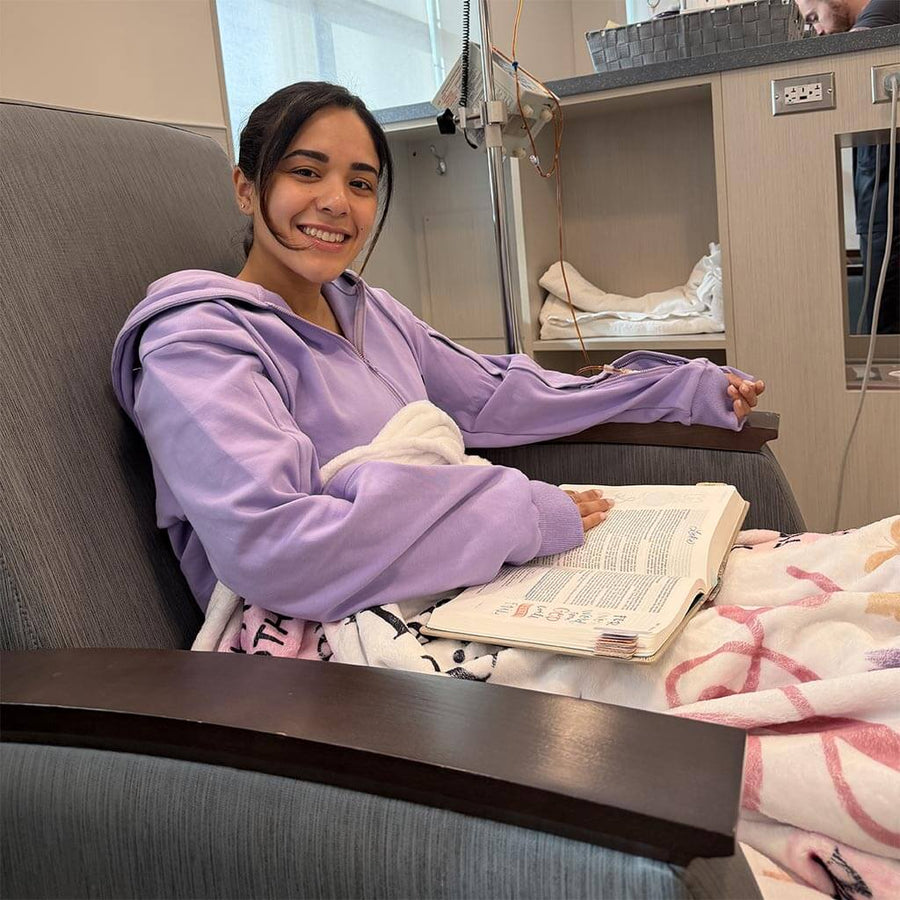
Caregivers are the ones sitting beside us in freezing treatment rooms and uncomfortable hospital chairs. They learn medication schedules they never expected to know. They remember the questions we forgot we wanted to ask. They take notes while we're still trying to process what the doctor just said.
They carry the bags. Refill the water bottle. Find something for us to eat. Figure out where we parked. Keep track of the paperwork.
And somehow, after all of that, when you ask how they're doing, the answer is usually some version of, “I'm fine. What do you need?”
Everyone asks how the patient is doing.
Sometimes we forget to ask the person sitting right beside them.
And I think that's part of what makes finding a gift for a caregiver so hard. What do you buy someone who has given you so much of themselves?
Start With Their Day
Instead of thinking about what you're supposed to give a caregiver, think about what they actually do.
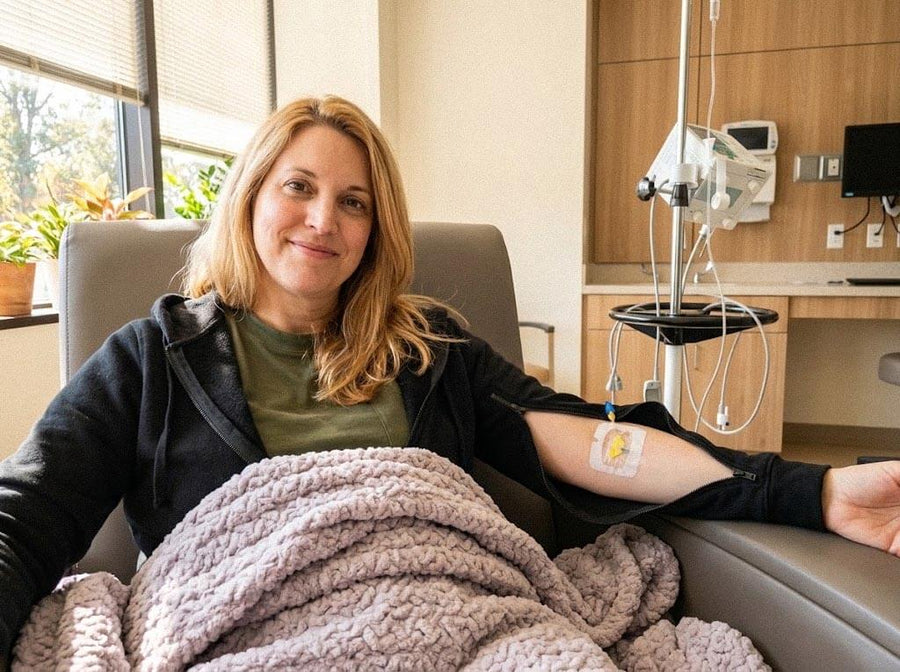
Do they sit beside you for hours in a freezing infusion center?
Do they drive you back and forth to appointments?
Are they always carrying your things?
Are they the one taking notes when the doctor talks because you know you're not going to remember half of it later?
Do they forget to eat because they're too busy making sure you've eaten?
Those little things are actually a pretty good place to start.
Because a meaningful caregiver gift doesn't necessarily need to be expensive or elaborate. Sometimes it just needs to say:
I notice what you do.
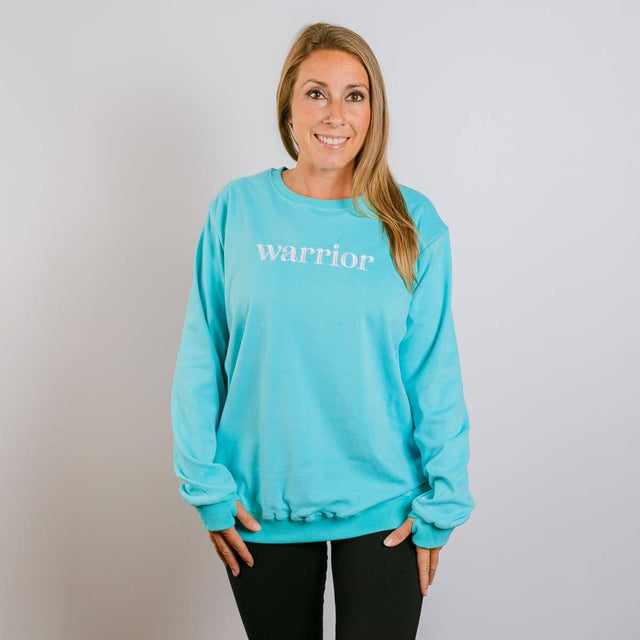
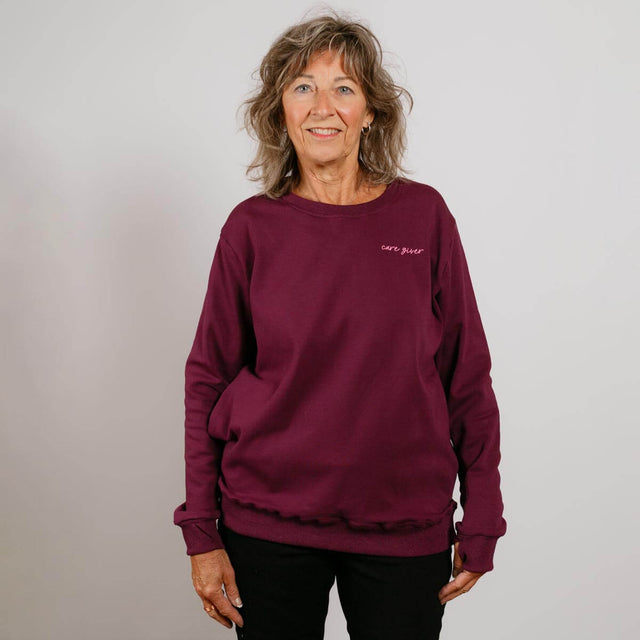
That's really where our BeWell Caregiver Collection came from.
We wanted to make something for the people sitting on the other side of the treatment chair.
Something warm they could actually wear during all those hours spent in cold hospitals, infusion centers and waiting rooms, but also something that said the things patients don't always know how to put into words.
We created three designs to launch our Caregiver Collection, and each one means something a little different.
Quiet Strength: “still seen.”
There is so much about caregiving that nobody sees.
The appointments they're coordinating. The calls with insurance. The medications they're keeping track of. The things they're handling at home. The work they're missing.
And then there's the worrying.
A lot of caregivers carry all of that while trying very hard not to let the person they're caring for see just how much they're carrying.
That's Quiet Strength.
And on the sleeve:
still seen.
Because even when the focus needs to be on the patient, the caregiver hasn't disappeared.
Their exhaustion matters. Their fear matters. Their love matters. What they're carrying matters too.
We see you.
Care Giver: “you matter too.”
We separated the words on this one on purpose.
Care Giver.
Because when you look at it that way, it says exactly what they do.
They give care.
Over and over again.
They give their time, their energy, their patience, their sleep, their reassurance, and sometimes a whole lot more than anyone realizes.
They're usually the person asking, “Are you okay?”
So we put something on the sleeve that turns the question back toward them:
you matter too.
It's simple, but sometimes the person taking care of everyone else needs to hear it.
Safe Place: “some people feel like home.”
This one is for that person.
The one you automatically look at when the doctor starts talking.
The hand you reach for when you're scared.
The person who doesn't necessarily have to say anything or fix anything. They just need to be there.
Somehow, a hospital room feels a little less scary when they're sitting beside you.
That's Safe Place.
And on the sleeve:
some people feel like home.
Because sometimes home isn't a house or a place.
Sometimes it's a person.
Something Warm for the Person Who Has Been Sitting in the Cold With You
There was a practical reason we chose crewnecks, too.
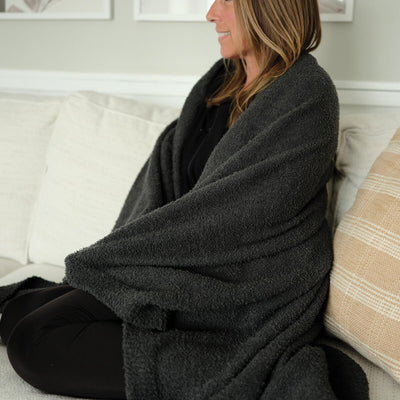
Caregivers get cold.
They're sitting in the same freezing doctor's offices, infusion centers and hospital rooms we are. Except everyone is understandably focused on keeping the patient comfortable, while the person beside them might be six hours into sitting in an uncomfortable chair.
So we used the same incredibly soft, lined fabric we use in our IV Zip Hoodies.
We wanted these to mean something, but we also wanted caregivers to actually reach for them on appointment days.
Every Caregiver Collection crewneck also comes with a special tag that reads:
“Appreciated more than you know.”
And really, that sums up the whole collection.
Other Caregiver Gifts That Actually Make Sense
Of course, you don't need to give someone a sweatshirt to show them you appreciate them.
Some of the best caregiver gifts aren't traditional gifts at all. They're little things that make the role they've taken on just a little bit easier.
A Gas Gift Card
Think about how many miles your caregiver has driven.
To appointments. To treatments. To the pharmacy. To the hospital. Back home because somebody forgot something. Back to the hospital again.
A gas gift card isn't glamorous, but that's almost why I like it.
It says, I noticed all those trips.
Food for Treatment Days
This is one people don't always think about.
You might get a meal during treatment or while you're in the hospital.
Your caregiver might not.
They can sit beside you for hours and suddenly realize it's 3 p.m. and they've eaten half a granola bar and something questionable from a vending machine.
A gift card to a restaurant near your treatment center, DoorDash, Uber Eats or their favorite coffee shop can be incredibly useful.
Better yet, send them lunch one day without making them figure it out themselves.
A Treatment-Day Tote
Caregivers somehow end up carrying everything.
Water bottles. Chargers. Snacks. Paperwork. Extra clothes. Your stuff. Their stuff. And at least three things nobody remembers putting in the bag.
A roomy BeWell tote can become a dedicated appointment bag.
You could fill it before giving it to them with things they'll actually use: snacks, a portable charger, hand lotion, gum, tissues, a reusable water bottle, a small blanket or anything else that makes those long days a little easier.
A Really Nice Pen
This sounds almost silly until you've spent enough time in doctor's offices.
Caregivers write down everything.
Medication changes. Instructions. Questions. Phone numbers. Follow-up appointments. Things you want to remember to ask next time.
Get them a really good pen that's just theirs and pair it with a small notebook.
You could even write something on the first page.
A To-Do or Appointment Notepad
There is an unbelievable amount of information floating around in a caregiver's head.
Appointments. Medications. Refills. Questions. Insurance calls. Things that need to happen at home. Things the doctor said. Things they need to remember next week.
Anything that helps get some of that out of their head and onto paper can be genuinely useful.
Make a Gift Card Personal
Gift cards are practical. They can also feel a little impersonal.
So make the part around the gift card personal.
Instead of just handing them $25 for coffee or gas, write down why you're giving it to them.
For all the mornings you picked me up before the sun came up.
For all the hospital coffees you've bought while sitting beside me.
For every mile you've driven without complaining.
Same gift card.
Completely different feeling.
Take Something Off Their Plate
Sometimes the best gift isn't something they can unwrap.
Have their house cleaned.
Send dinner to their home.
Order their groceries.
Pay for hospital parking.
Get their car detailed after they've basically been living out of it for the last six months.
Caregivers spend a lot of time taking things off our plates.
It feels good to take something off theirs for once.
Give Them Something That's Just for Them
A massage. A haircut. Tickets to something they love. An afternoon out with friends.
Or arrange for someone else to stay with you so they can go do something without worrying about whether you need them.
There's an important message underneath a gift like that:
You are allowed to have a life outside of taking care of me.
Sometimes caregivers need that reminder too.
And Then There's the Gift That Costs Nothing
Write them a letter.
An actual letter.
Tell them what you've noticed.
Tell them you remember the night they stayed awake with you.
Tell them you noticed the appointments they rearranged their schedule to attend.
Tell them you remember them holding your hand when you were scared.
Tell them about the little things they probably assume you didn't notice.
If you're giving them another gift, tuck the letter inside.
Because years from now, the sweatshirt may be worn out. The gas card will definitely be spent. The tote might eventually end up in the back of a closet.
But there's a pretty good chance they'll still have that letter.
To the Caregivers Sitting Beside Us
Maybe your caregiver has been beside you through cancer.
Crohn's disease or another chronic illness.
Infusions. Dialysis. Surgery. A transplant.
Or maybe they've been there since the diagnosis that suddenly divided life into before and after.
Maybe they're your spouse.
Your mom or dad.
Your son or daughter.
Your sibling.
Your best friend.
There probably isn't a gift big enough to equal everything they've given you.
And maybe that's okay.
Maybe the gift isn't supposed to repay them.
Maybe it's just another way of saying:
I noticed.
I remember.
I see everything you've done.
You matter too.
You feel like home.
And you are appreciated more than you know.
Caregiver Collection Launches October 2026