





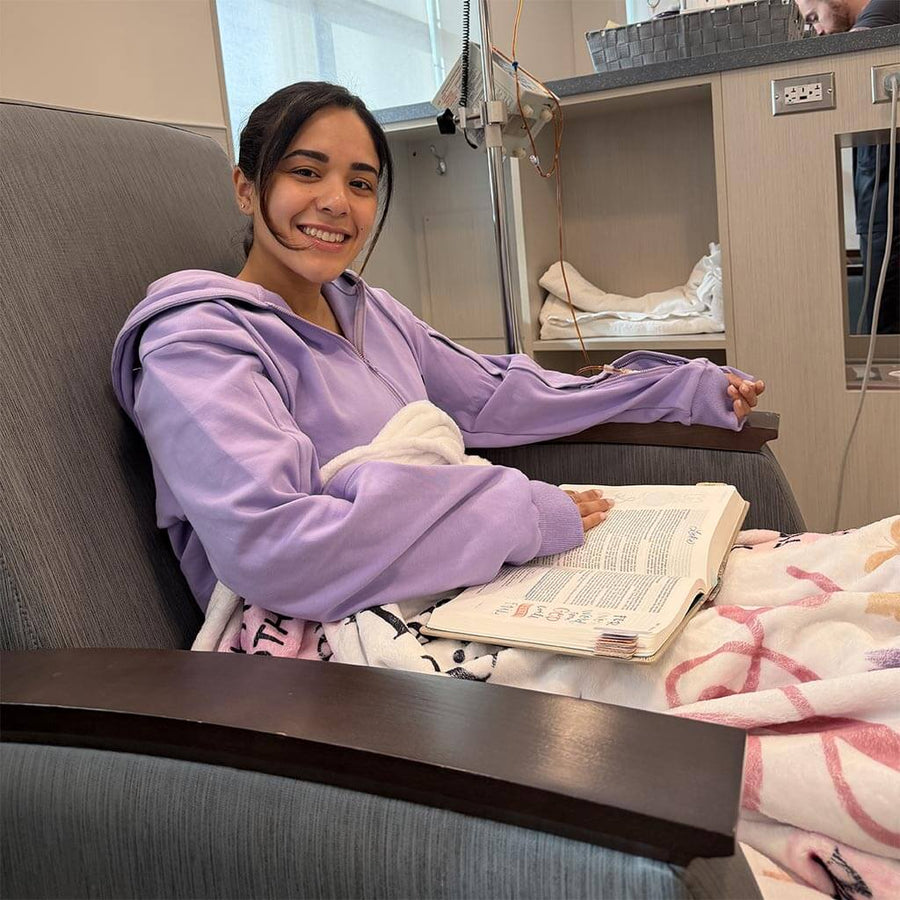


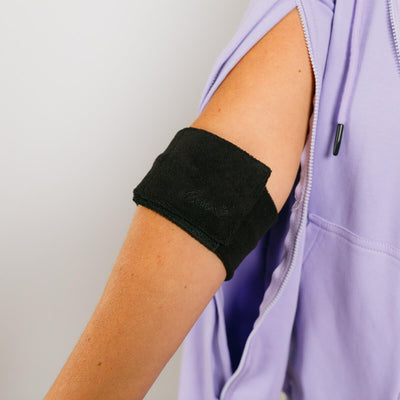


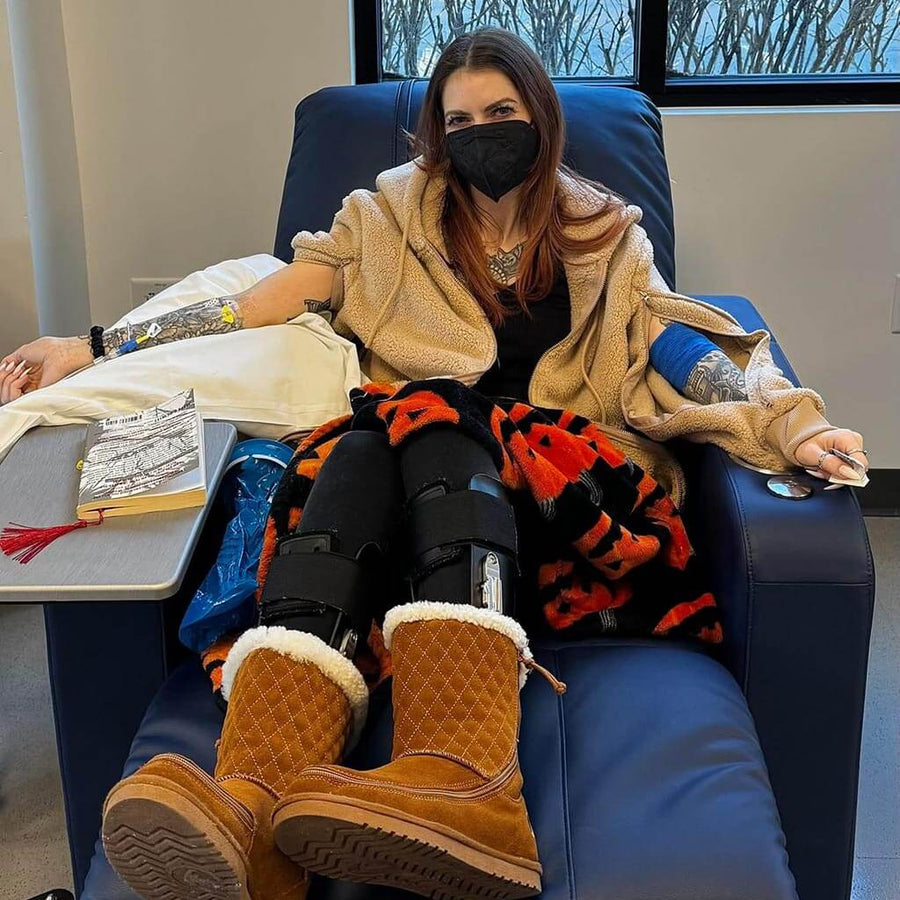

One quiet instant slips by without notice. Forms filled out, done. The needle comes out of your arm. A nurse offers a small smile: time to leave. Most people think this is where comfort begins.
Yet for plenty of people, walking out of the hospital brings no comfort. Fear takes hold instead.
Many patients feel shaky, uneasy, or overwhelmed right before walking out of the hospital doors. This reaction shows up often, particularly among those managing long-term health issues or complicated care needs.
Leaving the Hospital Might Cause Anxiety
Right inside the hospital, care arrives fast. When pain jumps, staff appear soon after. A strange feeling? Press a button, a nurse shows up. Machines keep track of vital signs around the clock. Pills come at set times, never missed. Symptoms stay shared, never carried solo.
Fear of pain or symptoms returning can hover close. Sometimes it's the quiet dread of symptoms showing up out of nowhere. Getting pills mixed up worries people, along with missing red flags they should notice. Moments arise when no one seems nearby if things go wrong. That sense of being protected just vanishes, leaving space where support used to be.
No more meals brought to you in bed. No more help to the bathroom or chair in the shower.
Worry often isn’t only tied to getting better. What weighs more is having to take charge. Inside your own house, there’s a quiet demand to watch how you’re doing. To tell what feels right from what doesn’t. Shifting into that role? Heavy, sometimes, despite clear medical approval to leave the hospital.
When Home Feels Unsettling Even Now
Quiet settles differently now - once peaceful, suddenly heavy. Without the hum of equipment, silence presses against the walls. Nurses’ footsteps used to mark time; now stillness drags each second longer. Small sounds grow louder, sharper, harder to ignore.
A small ache hits like a storm. What seemed minor during the stay now grabs full attention. Doubt creeps in, looping through advice given, questions unasked. The quiet after discharge hums with unease.
Finding peace at home doesn’t erase the strain. Healing takes time, even when safe. The body remembers what the mind tries to forget.
Making the Transition Home Feel Safer
Most people think healing begins only after leaving the hospital. Yet just because you walk out does not mean your body agrees. Some expect relief to follow like a schedule. Others believe strength returns on its own. The truth tends to show up later, quiet and unannounced.
Fear fades when comfort grows. A steady rhythm at home, open paths to talk, someone who listens, these quiet things soften the edges of worry. Once you leave the clinic, it is the little shifts that shape how grounded you feel. Safety lives in what happens after the door shuts.
Safe Ways During Home Transitions
- Before leaving, make sure you’ve asked straightforward questions: Know which symptoms are normal, which aren’t, and who to call. Write it down or snap a photo of discharge instructions.
- Save important phone numbers in your phone: Clinic, after-hours lines, pharmacy - having these ready can calm your nerves.
- Get support ready ahead of time: Let someone know they may be your emergency call. Just knowing someone’s ready can settle your mind.
- Build a space where healing can happen: Keep meds, snacks, water, chargers, heat packs, and other essentials in one spot. It saves movement and protects energy.
- Keep frequently used items visible: Don’t tuck away important things - keep them accessible to avoid scrambling when you need them.
- Bring extra pillows into your room: Positioning can help ease tension. Prop areas that need support.
- Try resting wherever seems simplest: Your bed isn’t the only option. Recliners or couches may feel easier, especially at first.
- If you can, pick just one level of your house and stay there: Avoid stairs when possible. It cuts effort and adds safety.
- Set alarms or use organizers for medications: Let timers handle the tracking. Use pill boxes or apps to reduce mental strain.
- Arrange for company, even quietly: Having someone around - even in the background - can bring calm without needing words.
- Plan for comfort, not productivity: Keep things soft, familiar, and easy. You don’t have to bounce back all at once.
Allow Space to Pause
Just because you’re home doesn’t mean you have to be okay. Let the transition take time. Healing includes the mental shift too.
When your gut says no, that's a signal worth following. Phone someone then. Seeking help isn’t too much — it’s how you protect yourself. That moment matters.
You Are Not Weak for Wanting the Safety Net
What it feels like to have steady support might only become clear when there is no nurse around. Not having them nearby shows how much their quiet attention mattered. Realizing that care was always there makes the absence stand out. Their consistent presence shaped a sense of safety you may not have noticed until now.
Wishing that kind of help stayed close after you leave isn’t strange at all.
A Gentle Reminder
Stepping out of the hospital isn’t only about movement through doors. Feelings tag along, whether expected or not. Worry shows up even when you’re glad to be back. That reaction? Your body recalibrating after leaning on constant care and routine.
Here’s something true: plenty wrestle with these thoughts. You’re not the only one who feels like this.
Slowing down? That's fine. Wanting someone to say it’s alright? Normal. Heading back might weigh just as heavy as staying did – truth is, that makes sense too.
Low Spoon Hacks
Bachelor and Bachelorette Parties While Living With Chronic Illness
1 comment
Managing pain in children requires extra caution—especially preventing procedural fear. https://oxymedpharm.com/ offers guidance for caregivers.