





It’s March, which is Colorectal Cancer Awareness Month. Not exactly the topic anyone gets excited about, but colorectal cancer is the second leading cause of cancer death in the United States right now. About 150,000 people get diagnosed every year.
One thing that caught me off guard when I first started learning about this is that they have been lowering the screening age. It was 50 for the longest time. Now it is 45 for a lot of people because younger adults are getting diagnosed more often than they used to be. Nobody really talks about that part.
Some people also need to start even earlier than that. If you have IBD, a family history of colon cancer or polyps, Lynch syndrome, or ongoing digestive issues that your doctors are monitoring, earlier screening might already be on the table for you.
Here’s the thing about colonoscopies. They are actually incredible at preventing cancer. Doctors can find polyps and remove them right there before they ever become something worse. When you think about it, that is pretty remarkable.
But ask anyone who has had one what the hardest part was.
It is never the procedure.
It is always the prep.
Doctors often breeze past it. They might say the procedure is easy and the prep is the worst part, then move on quickly. What they do not always explain is what “the worst part” actually means, especially if your body is already dealing with chronic illness.
The dehydration. The nausea. Camping out in the bathroom for hours. That completely wiped out feeling that can stick around for a day or two after. Most people do not get a real heads up about any of that.
So let’s actually talk about it.
Why Your Body Hates Prep
The whole point of colonoscopy prep is to completely empty your digestive system so doctors can see everything clearly. You drink a solution or take medication that flushes it all out quickly. It works, but it is not gentle.
Dehydration, electrolyte imbalance, dizziness, nausea, headaches, exhaustion, and random chills are all common experiences during prep. If you are already chronically ill, especially if you deal with autoimmune conditions, POTS, or digestive disorders, it can be significantly harder.
Losing fluids that quickly can drop your blood pressure, trigger your usual symptoms, and leave you recovering longer than someone without those complications.
There is also an accessibility reality that rarely gets acknowledged. Prep assumes you can stay near a bathroom all night, drink a large amount of liquid without getting sick, and stay awake for hours. For many chronically ill people, that is already a big challenge before prep even begins.
There Are Actually Different Options Worth Knowing
Your doctor usually chooses a prep based on your medical history, what you can tolerate, and what insurance will cover. Most people do not realize they can ask about alternatives.
The classic large jug prep is what most people picture. It involves drinking several liters over a few hours. It does not taste great and causes nausea for many people. It works well, which is why it is still widely used, but it is not the only option.
Low volume preps cut the amount you need to drink roughly in half. Many people find them easier to tolerate, although they sometimes cost more depending on insurance coverage.
Miralax prep involves mixing an over the counter powder with Gatorade. The taste is usually much more manageable. It still requires a decent amount of liquid, but many patients prefer it over the traditional prep.
Pill based prep skips the large liquid volume entirely. Instead, you take tablets with water. It is not right for everyone and you still swallow a significant number of pills, but for people who struggle with the liquid options it can be a better fit.
It is worth asking your doctor which option might work best for your body instead of assuming there is only one approach.
Things That Help, From People Who Have Been Through It
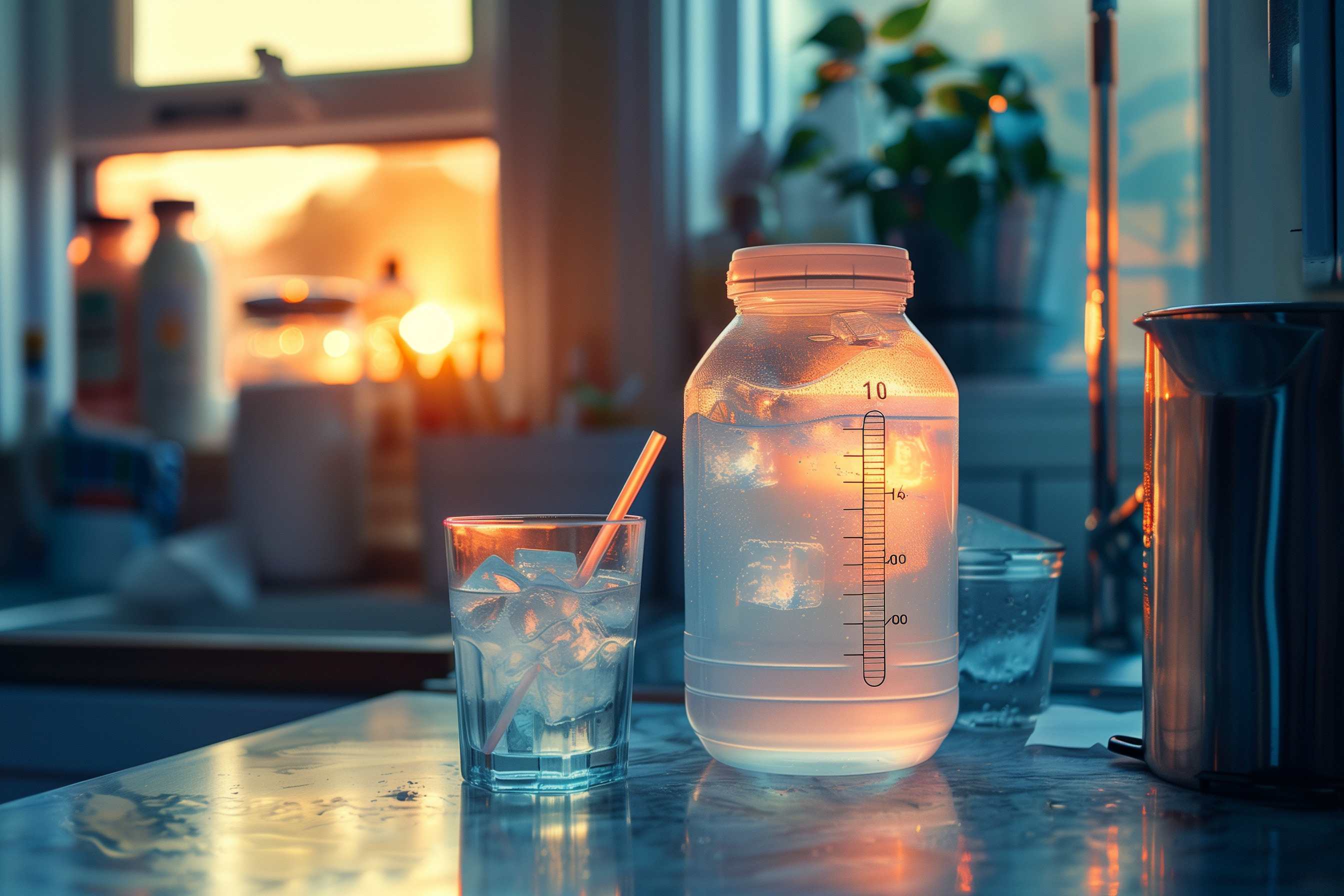
Refrigerate the prep solution. Cold liquid is much easier to drink. Using a straw placed toward the back of your mouth can also help because it bypasses some taste buds.
Holding your nose while you drink might sound strange, but smell plays a big role in taste and it can make the prep easier to tolerate. We know your mom taught you this.
Follow each drink with something on your clear liquids list, such as broth or an electrolyte drink. This helps wash away the flavor quickly.
Protect your skin before prep begins, not after irritation starts. Barrier cream, petroleum jelly, or diaper rash ointment can help prevent soreness. Switching to baby wipes or very soft toilet paper can also make a big difference after repeated bathroom trips.
Before prep begins, gather everything you might need near the bathroom. Electrolyte drinks, broth, a heating pad, phone charger, blanket, and comfortable clothes. Once prep is in full swing, you will not want to be walking around the house searching for supplies.
Keep sipping clear liquids throughout the day. Small amounts frequently tend to work better than large amounts at once.
Helpful clear liquids include:
- Electrolyte drinks
- Clear broth
- Apple juice
- White grape juice
- Plain gelatin
- Popsicles without red or purple dye
Staying ahead of dehydration can make the entire experience more manageable.
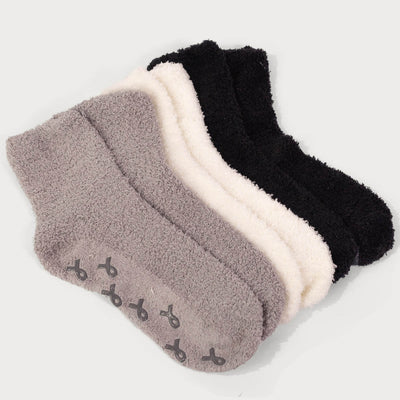
Dressing warmly can also help. Loose clothing, warm socks, and blankets can make a big difference since chills are common during prep.
Scheduling Hack - Get the first appointments of the day so you have less time to wait until you eat again.
If You Are Chronically Ill and Doing This Repeatedly
For people with IBD or other conditions that require regular monitoring, colonoscopies are not a one time event. Prep becomes something you repeat throughout your life.
For some patients, prep can trigger flares, increased dizziness, or fatigue that lasts several days.
Talking with your doctor about medication timing, hydration strategies, and which prep option fits your body best can make the experience easier over time.
Why Screening Still Matters
Colonoscopy screening saves lives. That part is straightforward.
The prep experience is something medicine has not completely solved yet. Many patients receive minimal guidance about what to expect, and even less support when chronic illness complicates the process.
That is why patients sharing real experiences can be helpful. Sometimes the most practical advice comes from people who have already been through it.
If you have a colonoscopy coming up, it may be uncomfortable, but it is temporary and it is worth doing.
If you are reading this while in the middle of prep right now, hang in there. Many of us have been exactly where you are.
The prep really is the hardest part. But getting through it is worth it.
Why March Feels So Hard Every Year
Why "You Don't Look Sick" Is One of the Most Damaging Phrases Patients Hear